

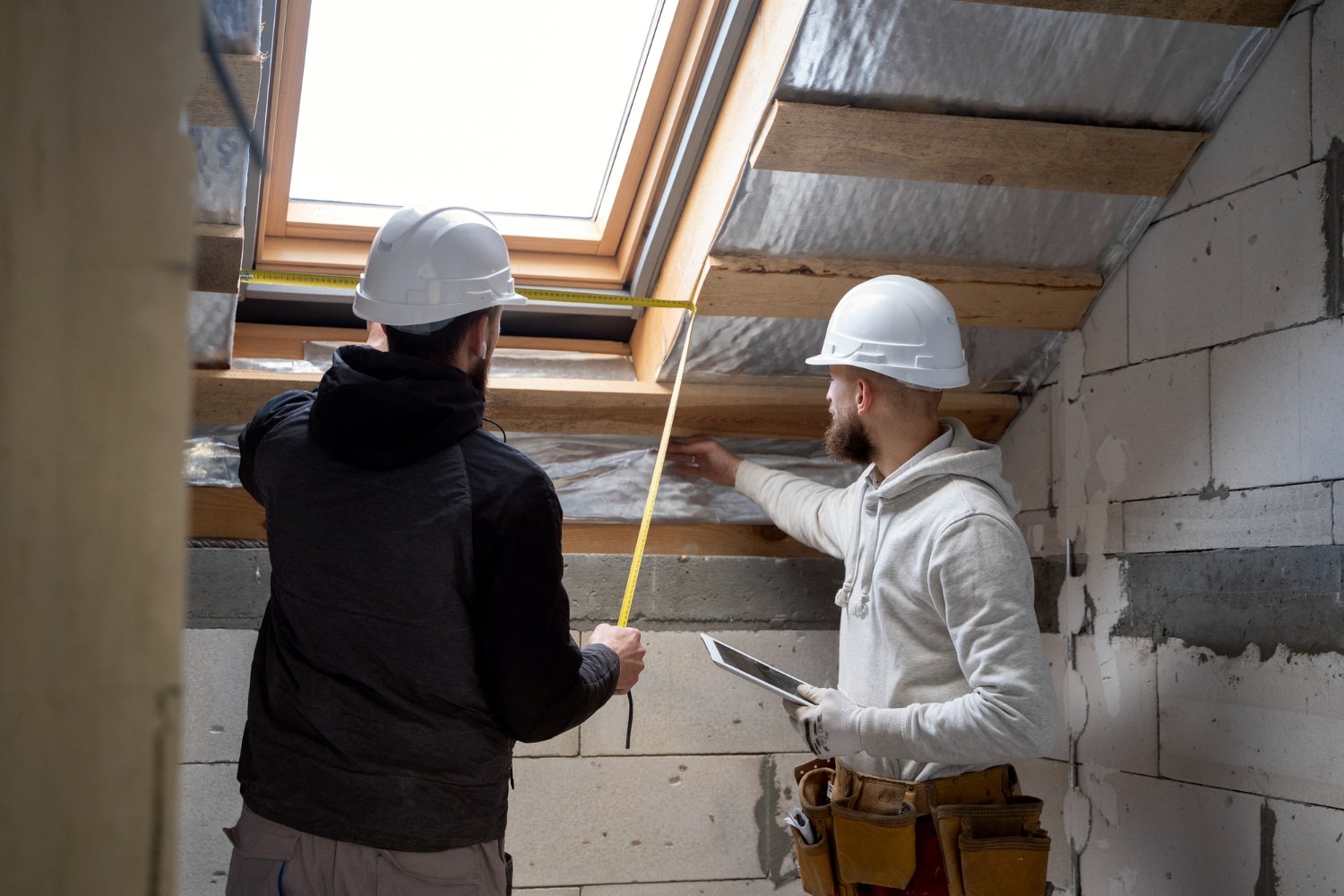
Home additions and extensions
Home Addition Contractors in Queens NY
BluRock Services coordinates rear, side, and second-story additions for Queens homeowners, connecting feasibility, drawings, approvals, foundations, structure, building systems, exterior weather protection, interiors, inspections, and turnover.
Service summary
What home addition work does BluRock coordinate in Queens?
A home addition expands an existing building and must connect the new space to the property’s legal use, structure, roof, envelope, utilities, circulation, and finish conditions.
BluRock Services provides home addition and extension construction services in Queens, New York. Project scope may include existing-condition review, preconstruction planning, demolition, excavation, concrete, structural framing, roofing, siding, windows, doors, insulation, heating and cooling coordination, plumbing, electrical work, drywall, flooring, trim, cabinets, tile, painting, inspections, and project-specific design or filing coordination.
- Rear and side-yard additions that extend living space horizontally
- Second-story additions, dormers, and upper-level expansions
- Kitchen, family-room, bedroom-suite, mudroom, office, and utility-space extensions
- Queens one- and two-family homes, subject to the property, zoning, records, design, and approvals
Build out or build up
How do horizontal and second-story additions compare?
The better direction depends on the lot, setbacks, height, coverage, existing foundation and framing, stair location, roof geometry, utilities, occupancy plan, and the rooms the addition must connect.
| Approach | Common fit | Work that often drives scope | Questions to resolve early |
|---|---|---|---|
| Rear addition | Kitchen, dining, family room, suite, or stronger yard connection | Excavation, foundation, exterior wall opening, roofing, drainage, and interior tie-in | Rear-yard limits, lot coverage, access, utilities, floor height, and weather protection |
| Side addition | Mudroom, kitchen width, bedroom, garage connection, or circulation | Foundation, side-wall reconstruction, roof transition, windows, doors, and service routing | Side-yard limits, lot-line conditions, neighbor access, drainage, and existing equipment |
| Second story | Bedrooms, bathrooms, office space, or a primary suite above the footprint | Structural evaluation, roof removal, reinforcement, stairs, temporary protection, and vertical utilities | Height, floor-area limits, foundation capacity, egress, stair layout, and occupancy during construction |
| Dormer or attic expansion | Targeted headroom, light, storage, bedroom, bath, or office improvements | Roof framing, insulation, windows, flashing, stairs, interior structure, and finish work | Legal use, ceiling height, egress, structural path, fire protection, and roof drainage |
This is a scope-planning comparison, not a zoning or code determination. A Registered Architect or Professional Engineer and the applicable authority should confirm what can be filed for a specific property.
Preconstruction review
What should Queens homeowners confirm before designing an addition?
Confirm the legal property information, survey, space goal, basic zoning and site constraints, structural questions, utility implications, access, occupancy plan, target finish level, and approval path before design decisions become expensive to change.
- Property records, current use, certificate information, open applications, and known violations
- Lot dimensions, setbacks, yards, lot coverage, floor area, height, easements, flood considerations, and landmark status
- Existing foundation, framing, roof, stairs, exterior walls, openings, and load paths
- Heating and cooling, electrical capacity, plumbing, gas, drainage, and service locations
- Occupied-space protection, temporary access, weather exposure, staging, and debris routes
- Selections and assumptions that must be fixed before a construction quote can be compared
Addition types
Which home additions can BluRock coordinate in Queens?
BluRock coordinates construction around the approved property-specific design. The room program and existing house determine which trades, temporary protections, inspections, and finish transitions belong in the scope.
Rear living-space additions
Expand a kitchen, dining room, family room, or connected indoor-outdoor area while coordinating foundation, structure, roof, drainage, openings, and finishes.
Second-story additions
Add bedrooms, bathrooms, office space, storage, or a primary suite with coordinated structural review, stairs, egress, utilities, roofing, and temporary weather protection.
Kitchen extensions
Create space for an island, pantry, dining area, wider circulation, larger windows, or a stronger connection to adjacent living areas and the yard.
Bedroom and bath suites
Plan privacy, circulation, closets, plumbing, ventilation, electrical work, waterproofing, tile, flooring, trim, and comfortable room proportions together.
Mudrooms and utility spaces
Add everyday storage, laundry, side entries, mechanical space, or better transitions while coordinating exterior exposure and service connections.
Dormers and attic expansions
Improve useful upper-level area by coordinating roof structure, insulation, windows, stairs, egress, mechanical needs, and legal-use requirements.
NYC approvals
How do permits and approvals work for a Queens home addition?
NYC Department of Buildings guidance classifies horizontal and vertical enlargements as alteration work. Most construction requires a permit, and a New York State Registered Architect or Professional Engineer generally files construction plans as the Applicant of Record.
The filing path depends on whether the proposed work changes use, egress, occupancy, floor area, or certificate information. Project-specific reviews may include zoning, structural, energy, fire-protection, plumbing, electrical, special-inspection, and closeout requirements.
Primary sources: NYC DOB alteration project categories and NYC DOB obtaining a permit. Requirements change by property and scope; the design professional and DOB should confirm the current filing path.
- 1Verify records and site constraintsReview survey information, legal use, property records, zoning limits, existing applications, and known violations.
- 2Prepare coordinated documentsDevelop architectural, structural, energy, and affected-trade information for the intended scope.
- 3File and answer requirementsSubmit through the applicable system, respond to objections and required items, and obtain approvals before permitted work begins.
- 4Inspect and close outCoordinate required progress or special inspections, trade sign-offs, final inspections, and certificate or completion records when applicable.
Envelope and building systems
How should the addition connect to the existing home?
Plan the visible rooms and the concealed systems as one building. New structure, roof drainage, insulation, windows, heating and cooling, power, plumbing, and finish elevations must meet the existing house at controlled transition points.
Foundation and structure
Footings, slabs, walls, beams, headers, joists, roof framing, and load paths follow the approved structural design and verified site conditions.
Roof and water control
Roof geometry, flashing, gutters, leaders, grading, waterproofing, siding, windows, doors, and sealants manage rain and exterior exposure.
Energy and comfort
Insulation, air sealing, windows, heating, cooling, ventilation, controls, and moisture planning should form a continuous strategy across old and new construction.
Utilities and trades
Electrical capacity, new circuits, lighting, plumbing, drainage, gas, fire-protection work, and equipment locations must be coordinated before walls close.
Interior transitions
Floor heights, openings, stairs, doors, trim, cabinets, tile, paint, and adjacent-room repairs help the addition feel connected rather than appended.
Occupied-home protection
Temporary partitions, dust control, shutoffs, safe access, staging, weather protection, and cleanup should be defined for every affected phase.
NYC DOB states that additions and alterations must address applicable energy-code requirements, including the building envelope and affected systems. See NYC DOB energy-code information for homeowners. Landmarked properties may also need Landmarks Preservation Commission review; see the LPC additions guide.
Scope and quote planning
What changes a home addition quote in Queens?
A useful quote is tied to measured conditions, coordinated drawings, a defined room program, known approval requirements, selected finish assumptions, access, protection, and written allowances. Square footage alone does not define the work.
Site and excavation
Access, soil and drainage conditions, excavation, underpinning risk, shoring, concrete, utility locations, and material staging.
Structural tie-ins
Foundation work, beams, headers, reinforcement, roof reconstruction, stair openings, temporary support, and existing-condition repairs.
Building systems
Heating and cooling capacity, electrical service, plumbing, drainage, gas, ventilation, fire protection, controls, and inspections.
Exterior envelope
Roofing, flashing, siding or masonry, windows, doors, insulation, air sealing, waterproofing, gutters, leaders, and exterior transitions.
Interior program
Kitchens, bathrooms, cabinetry, tile, flooring, trim, lighting, paint, closets, equipment, and finish level.
Approvals and logistics
Design and filing coordination, required items, inspections, neighbor access, occupied-space protection, lead times, weather exposure, and closeout.
Information that improves the first scope review
- Property address, building type, survey or site plan, and available property records
- Existing photos, desired rooms, target square footage, and how new space should connect
- Known structural, drainage, utility, access, zoning, filing, or landmark questions
- Finish expectations, items to retain, occupancy needs, decision-makers, and target timing
Coordinated delivery
How does a Queens home addition move from feasibility to turnover?
A controlled sequence reduces redesign, protects the occupied home, coordinates inspections, and keeps structure, envelope, utilities, and finishes aligned with the approved documents.
- 1
Assess
Clarify the space goal, property records, site, existing conditions, utilities, constraints, and questions for the design team.
- 2
Define
Coordinate surveys, drawings, structural information, selections, assumptions, filing needs, and a construction-ready scope.
- 3
Prepare
Complete approvals, confirm schedule and long-lead items, establish protection, staging, access, shutdown, and weather plans.
- 4
Build
Complete site work, structure, enclosure, rough trades, inspections, insulation, drywall, finishes, fixtures, and tie-ins in sequence.
- 5
Close out
Resolve punch work, test affected systems, clean the work areas, complete required sign-offs, and organize available project records.
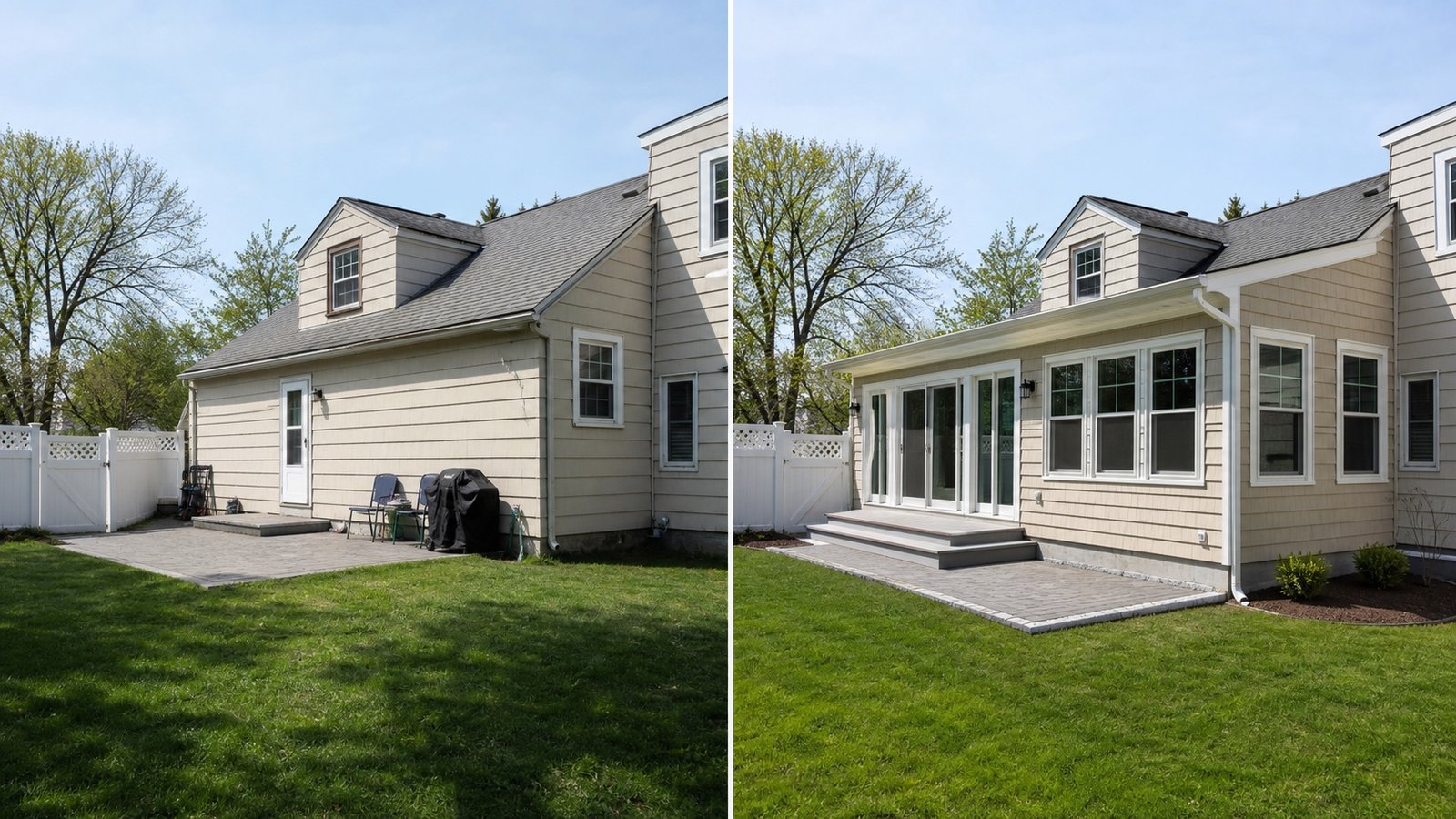
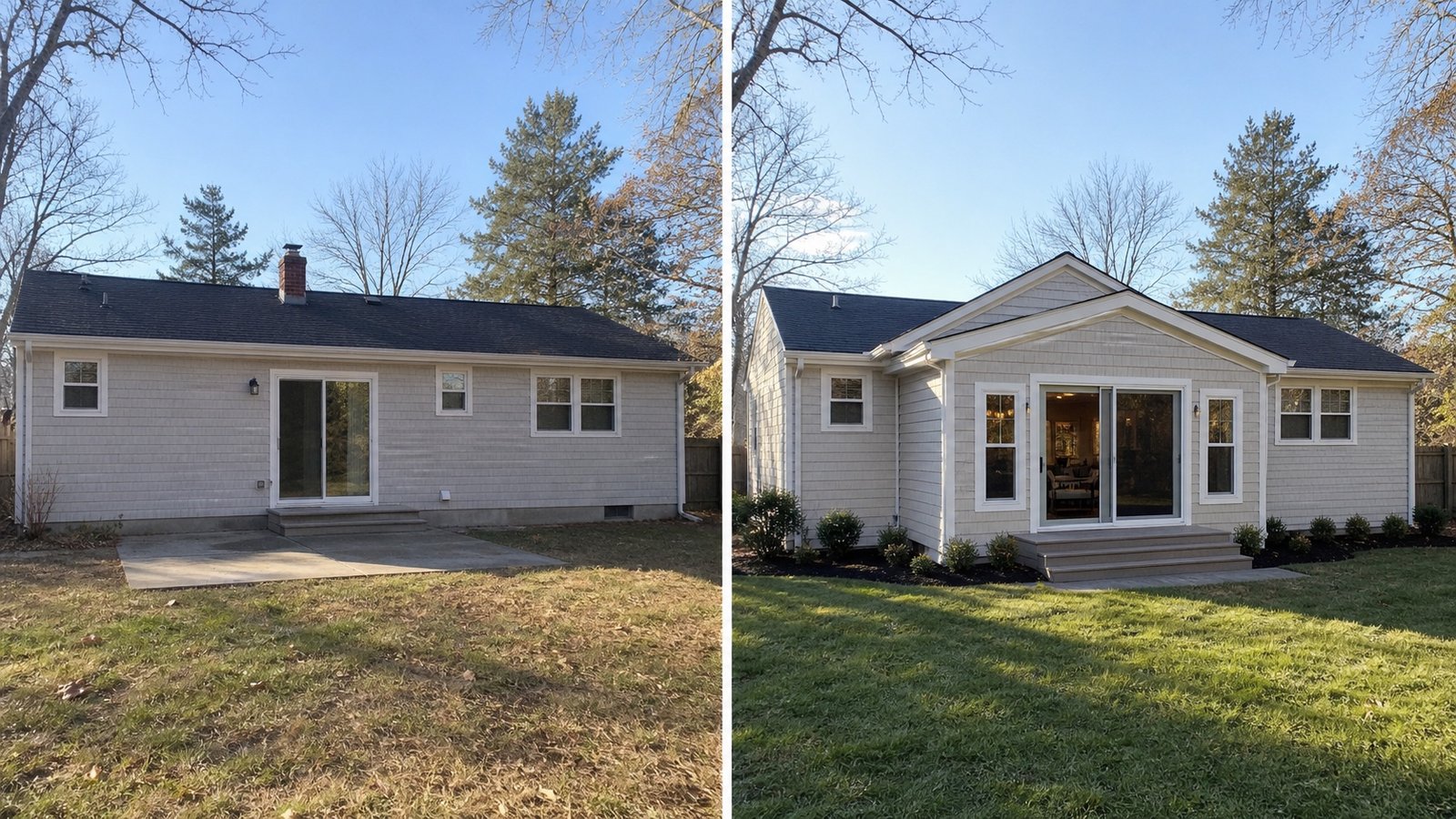
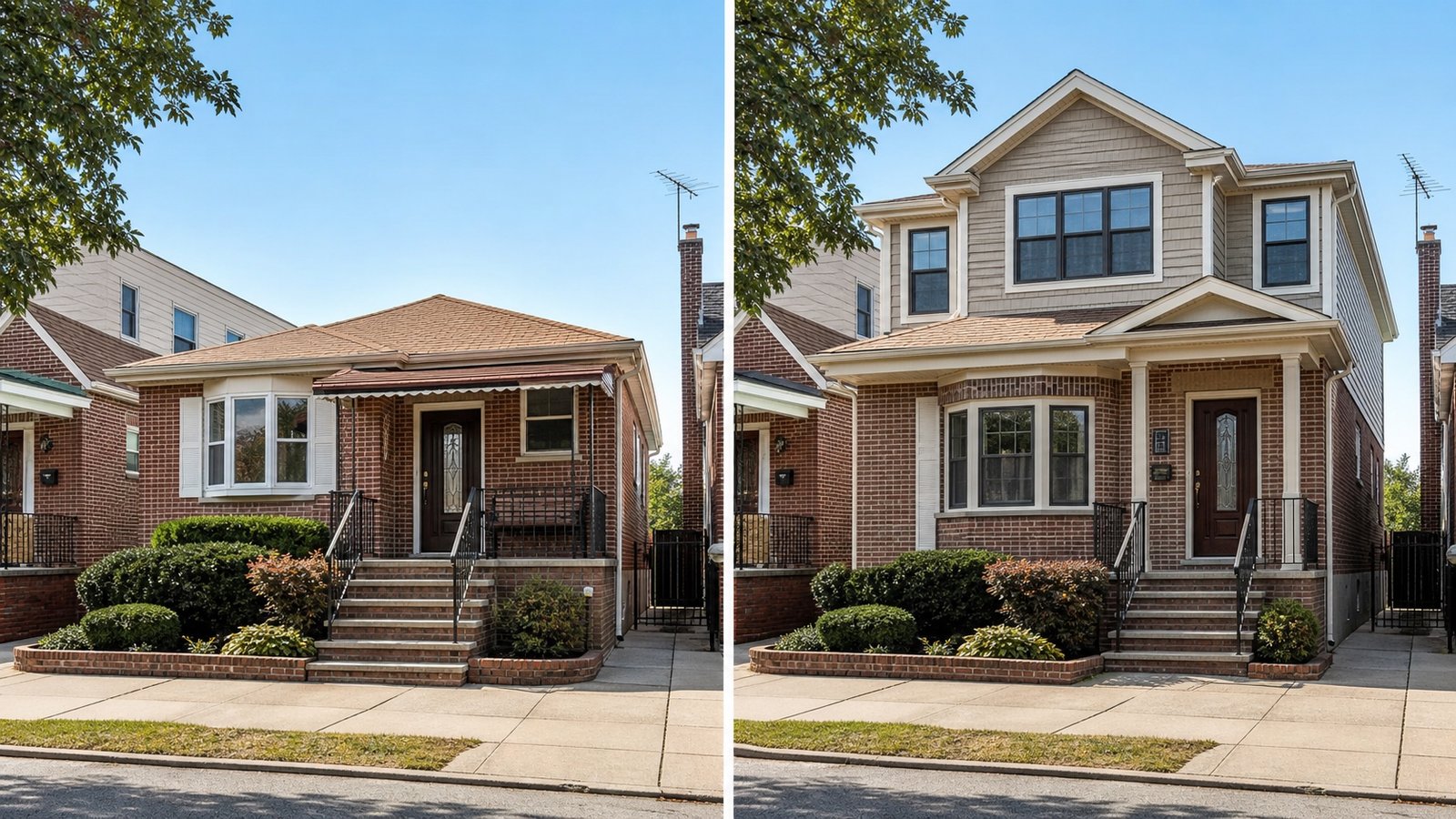
Before and after projects
What can a finished addition change?
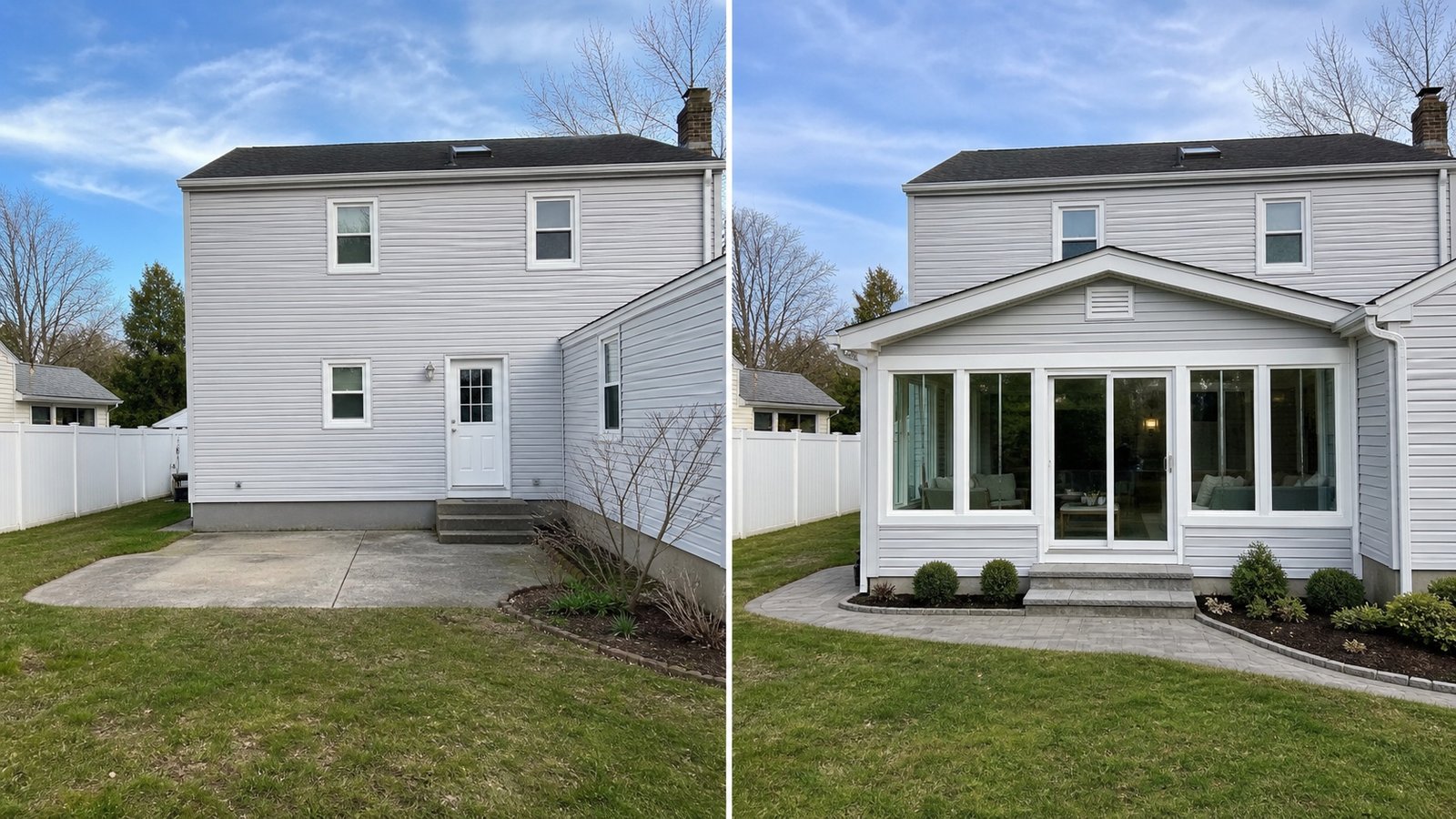
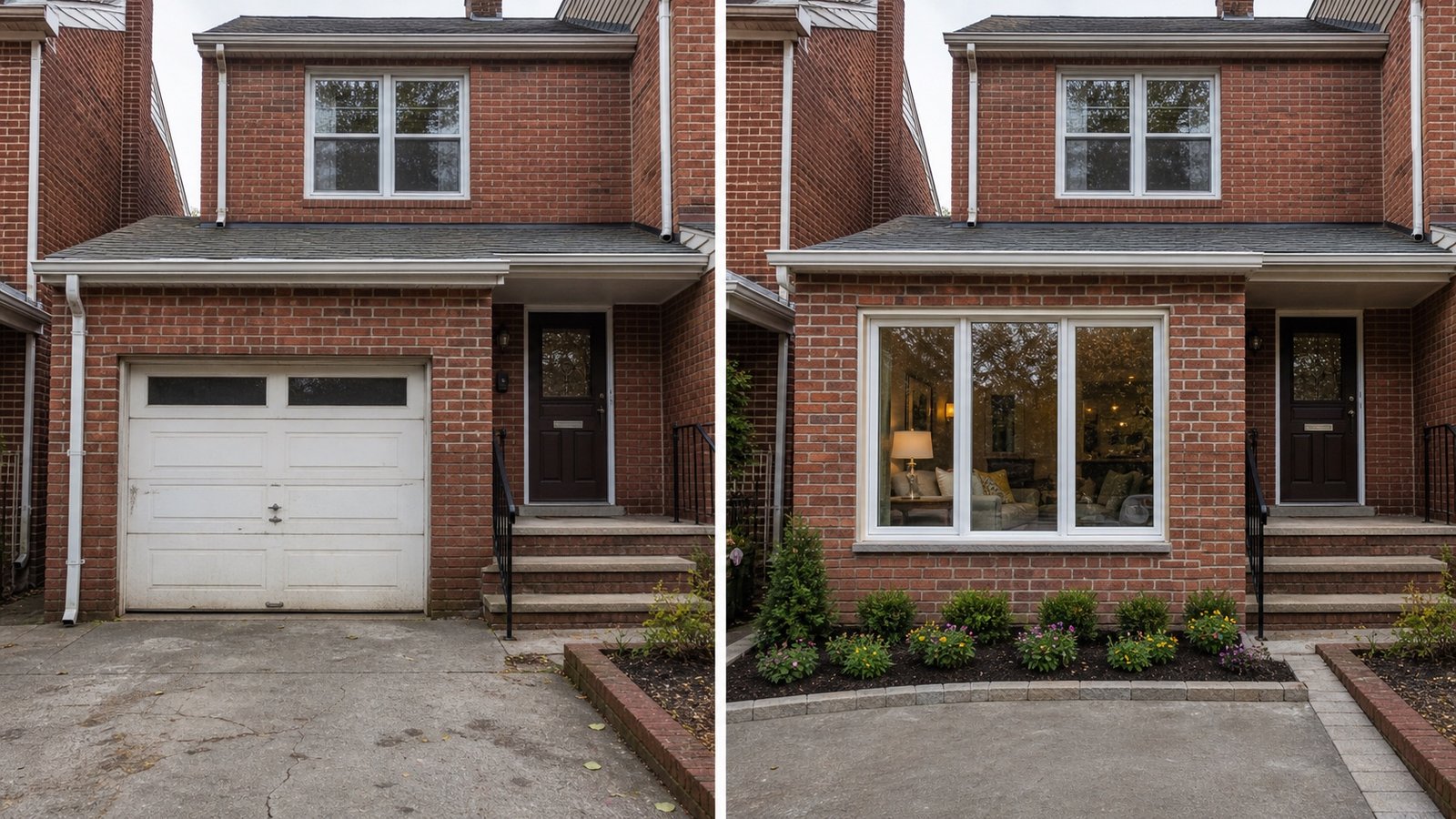
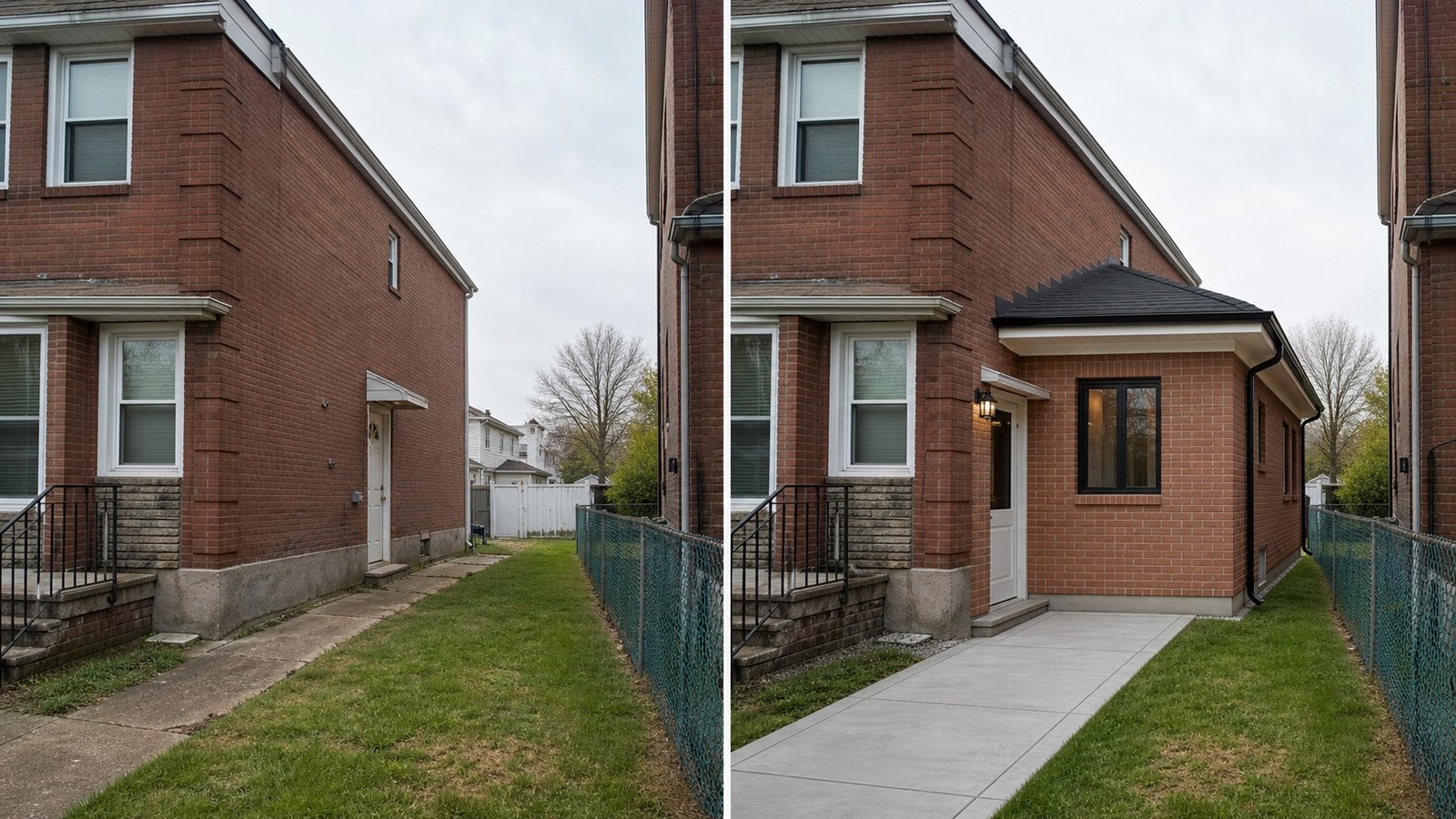
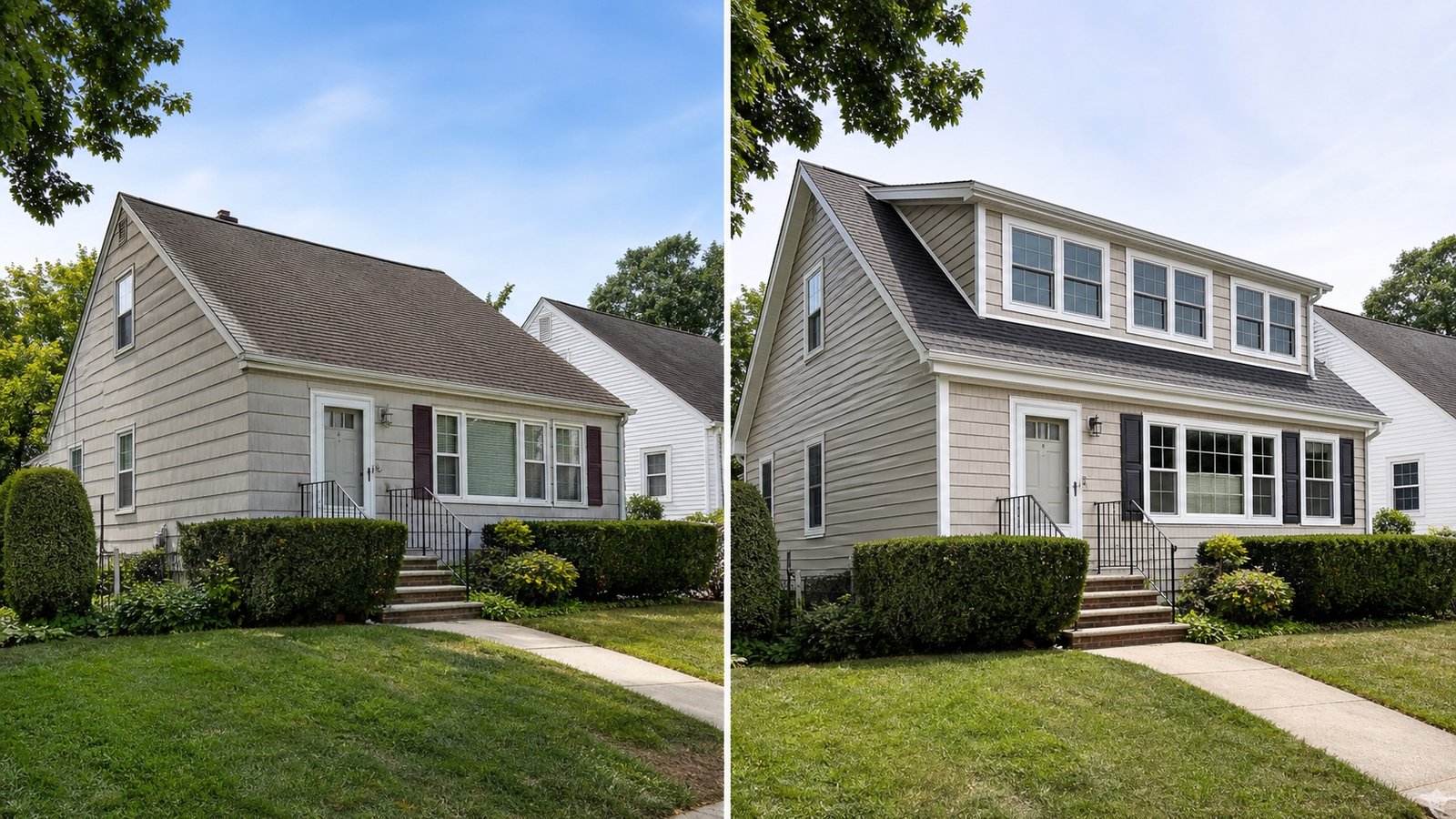
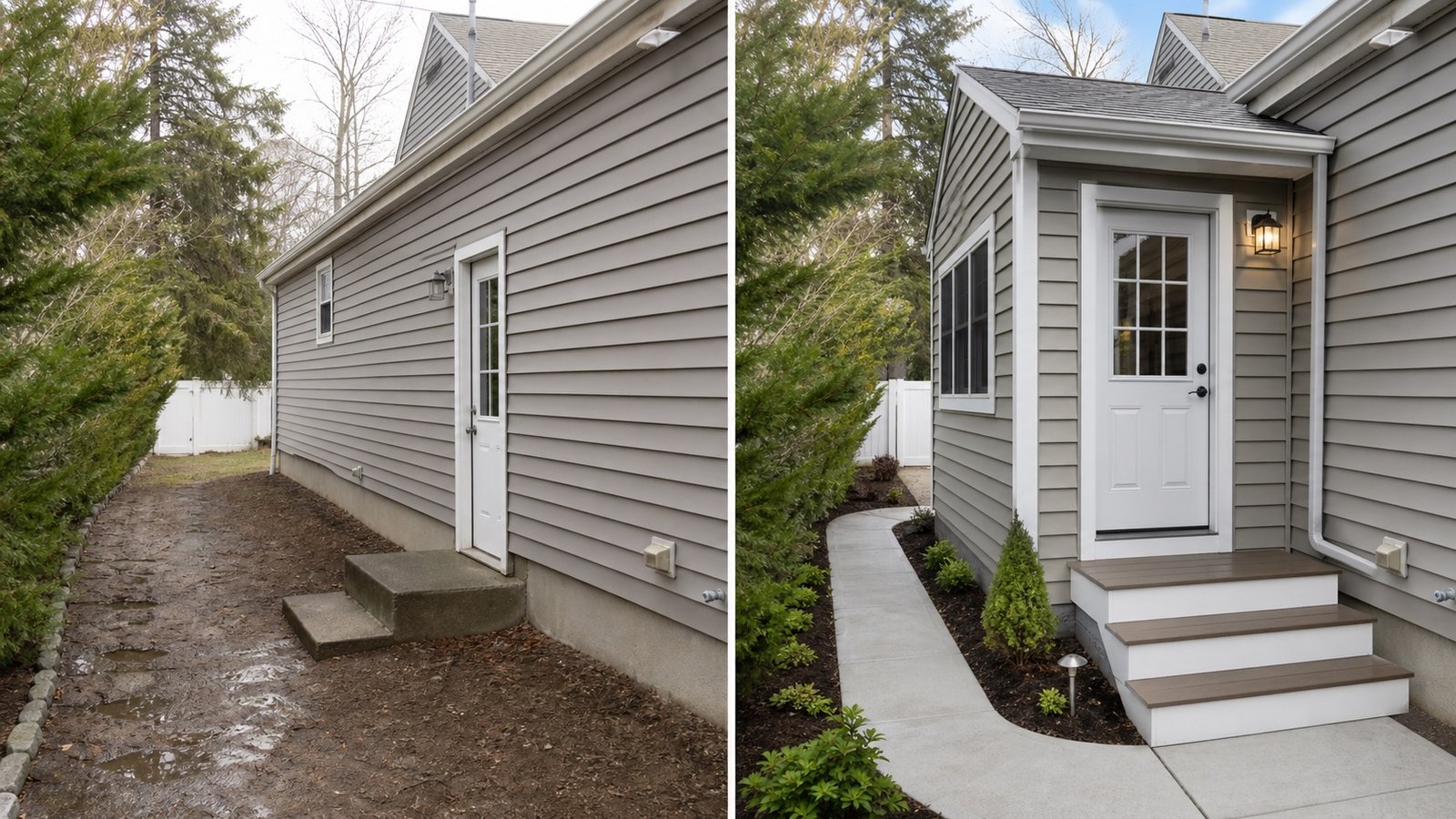
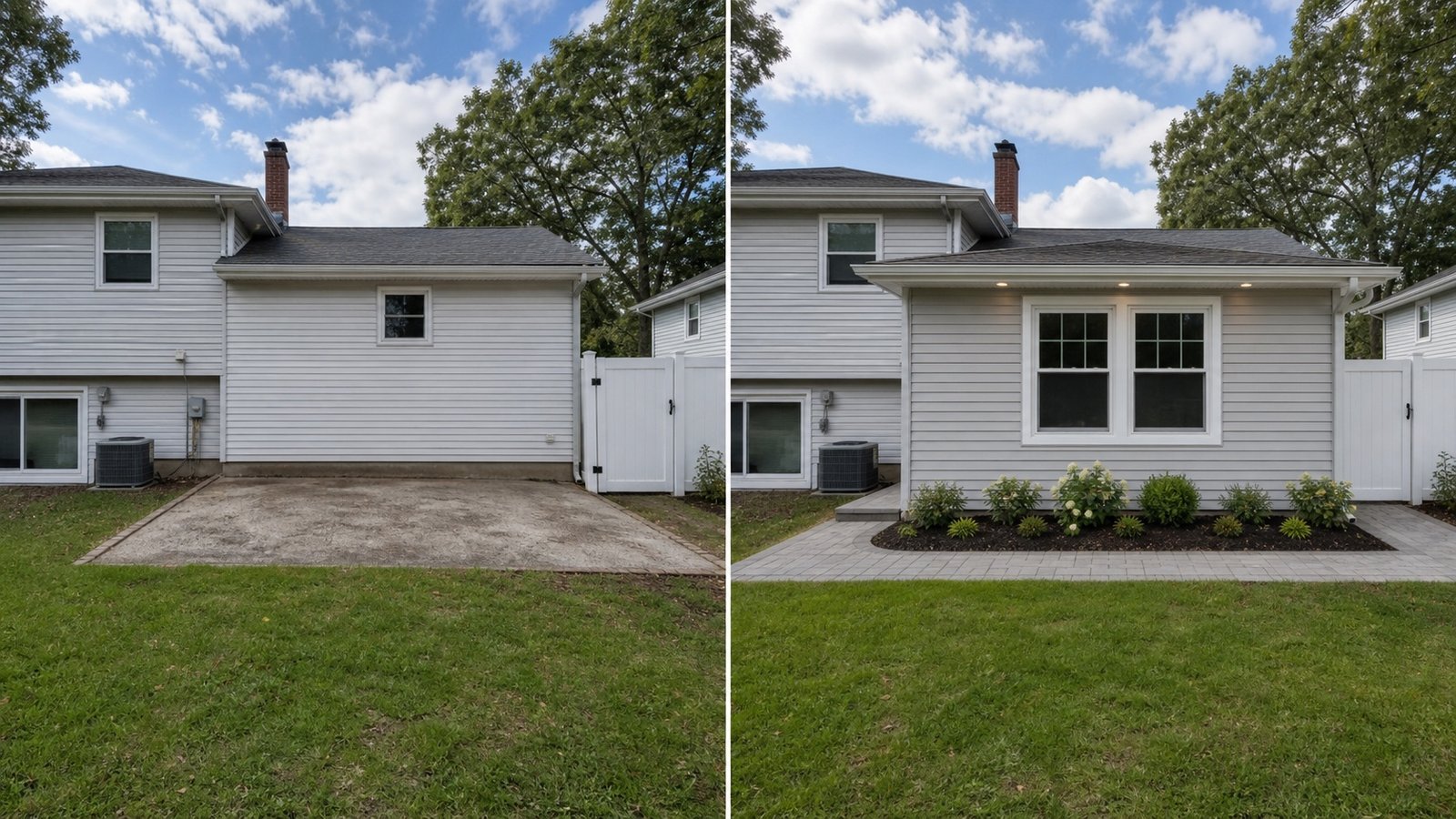
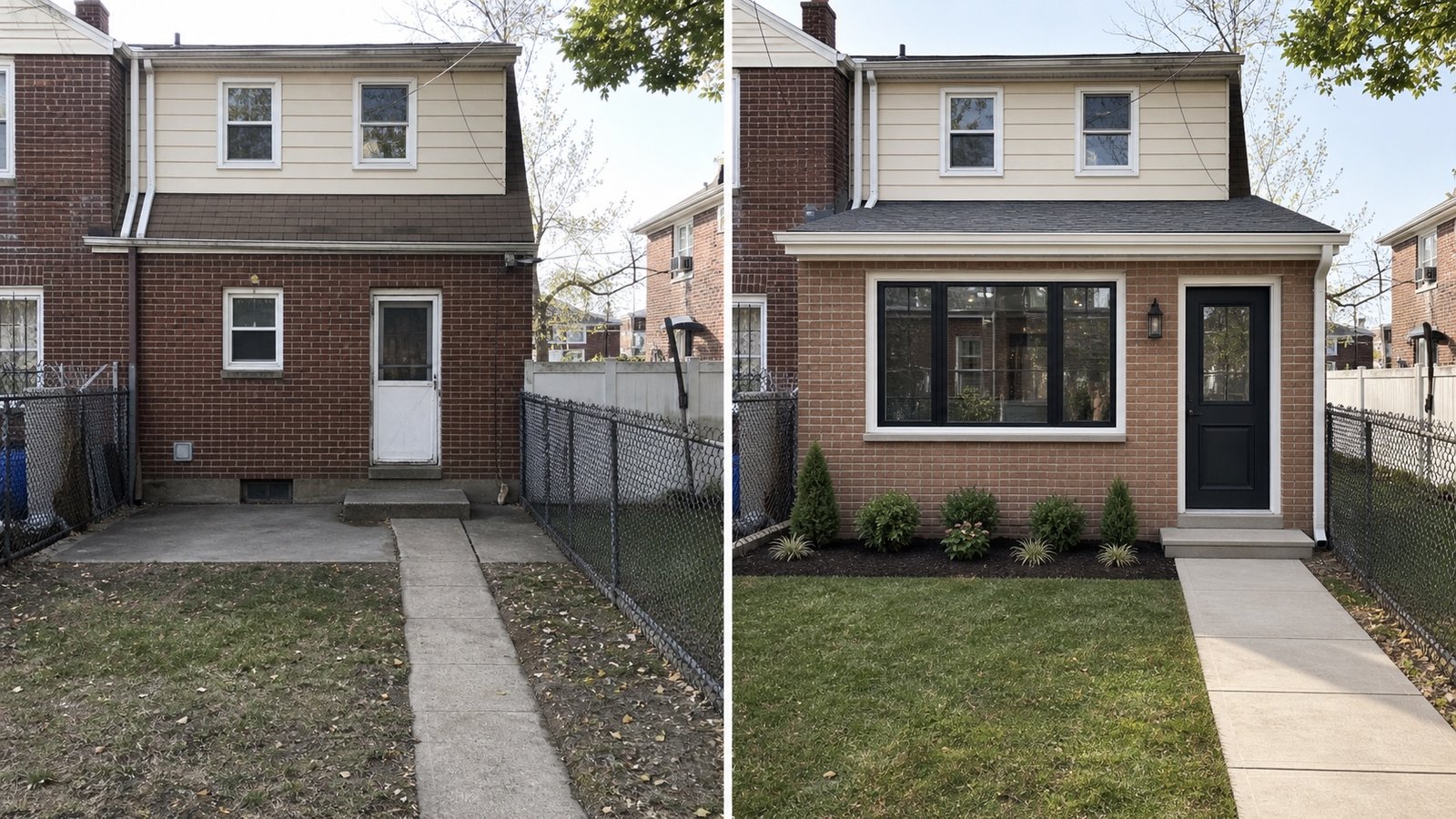
These existing BluRock gallery assets show rear extensions, second-story work, sunrooms, conversions, dormers, entries, suites, and offices. Property conditions and results vary by project.
Home addition FAQ
What should Queens homeowners know before starting an addition?
The correct plan depends on the property, legal records, zoning, design, structure, utilities, selected rooms, access, approvals, and construction conditions.
Does BluRock build home additions in Queens?
Yes. BluRock Services coordinates construction for rear, side, second-story, kitchen, family-room, bedroom-suite, mudroom, office, and other home additions in Queens, subject to the property, design, scope, approvals, access, selections, and schedule.
Do I need an architect or engineer for a home addition?
NYC DOB states that most construction requires a permit and that a New York State Registered Architect or Professional Engineer generally files the construction plans. The design professional should confirm the services and documents required for the specific property and scope.
Is it better to build out or add a second story?
Neither is automatically better. A rear or side addition may provide direct ground-floor space but uses yard area and needs a new foundation. A second story can preserve more yard space but may require extensive structural work, stair planning, roof removal, and temporary weather protection.
Can we live in the home during addition construction?
Sometimes. The answer depends on where the addition connects, structural work, roof exposure, utility shutoffs, safe access, dust and weather controls, inspections, and how much of the existing home is affected. The occupancy plan should be defined before scheduling.
What affects a home addition quote?
Major factors include the site, excavation, foundation, structural tie-ins, roof complexity, windows and doors, envelope work, heating and cooling, plumbing, electrical capacity, kitchens or bathrooms, finishes, access, protection, approvals, inspections, lead times, and concealed conditions.
What should I send when requesting an addition quote?
Share the property address, building type, available survey or plans, current photos, desired rooms and approximate size, known structural or utility concerns, access conditions, finish expectations, occupancy needs, and target timing. This helps identify the next feasibility and design questions.
Connected services
Which BluRock services support a home addition?
Additions often connect with kitchen, basement, roofing, siding, window, design, drawing, and permit work. These links point to the current canonical BluRock pages.
Plan the property, structure, systems, and rooms together
Ready to plan a home addition in Queens?
Share the property address, available survey or plans, current photos, rooms you want to add, known constraints, finish expectations, occupancy needs, and target timing. BluRock can help define the next practical step.