
Siding contractor in Queens, NY
Siding Materials, Brands, Costs, and Energy Benefits for Queens Homes
Compare vinyl, insulated vinyl, fiber cement, engineered wood, cedar, metal, stucco, brick veneer, and stone veneer options with BluRock Services. Plan the look, weather protection, thermal upgrade, and budget before your facade is opened up.
Exterior remodeling with purpose
New siding changes the look of the home and the way the wall performs.
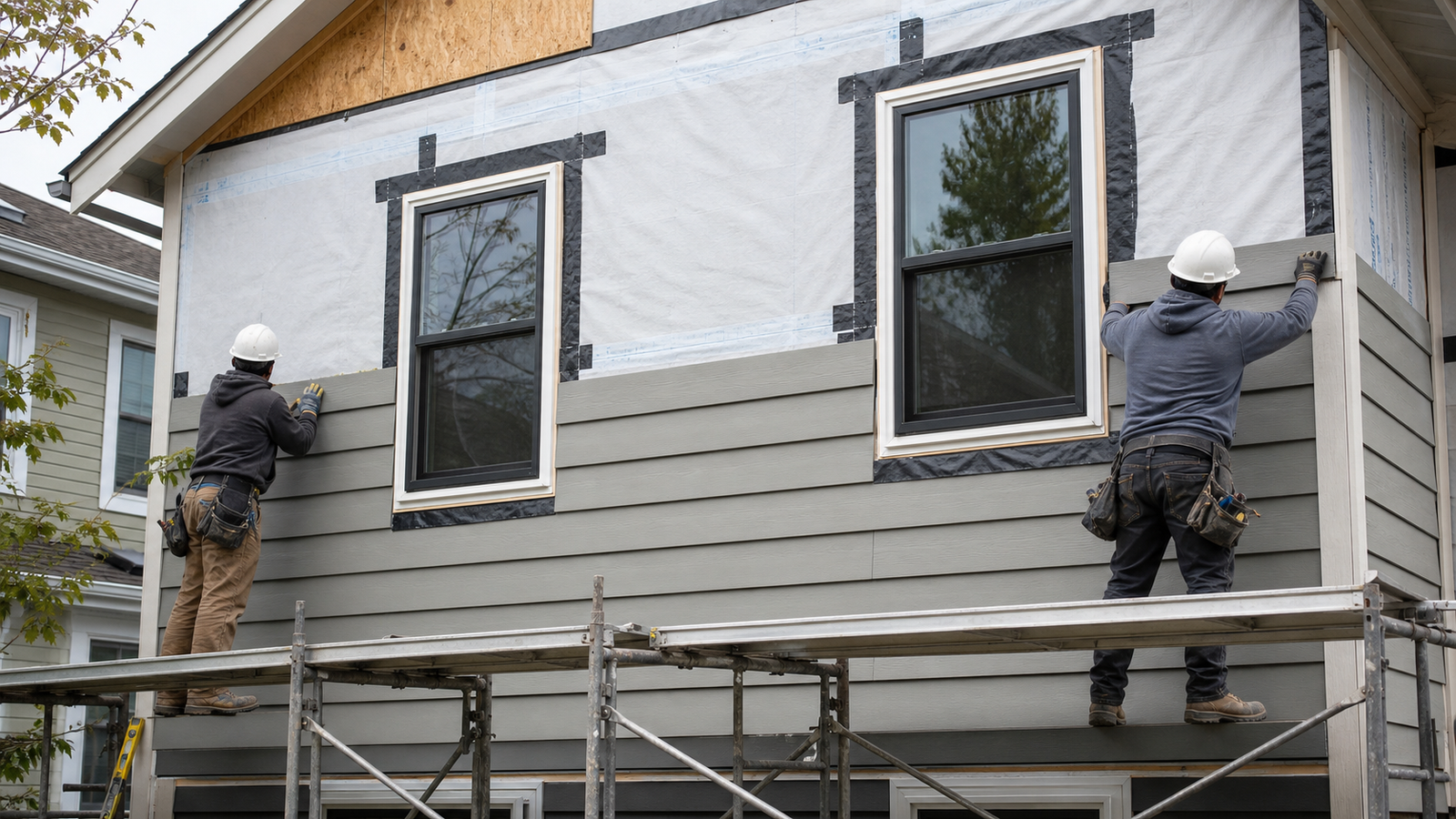
For many Queens properties, siding replacement is more than a cosmetic update. It is a chance to remove failing cladding, correct weak trim and flashing details, improve drainage, tighten air leakage, add exterior insulation where practical, and give the facade a more current architectural style.
BluRock Services can help compare materials by cost, design, maintenance, durability, and thermal potential so the scope matches the property instead of forcing every home into the same product.
- Facade refresh for curb appeal and resale presentation
- Replacement of worn, cracked, faded, or poorly flashed siding
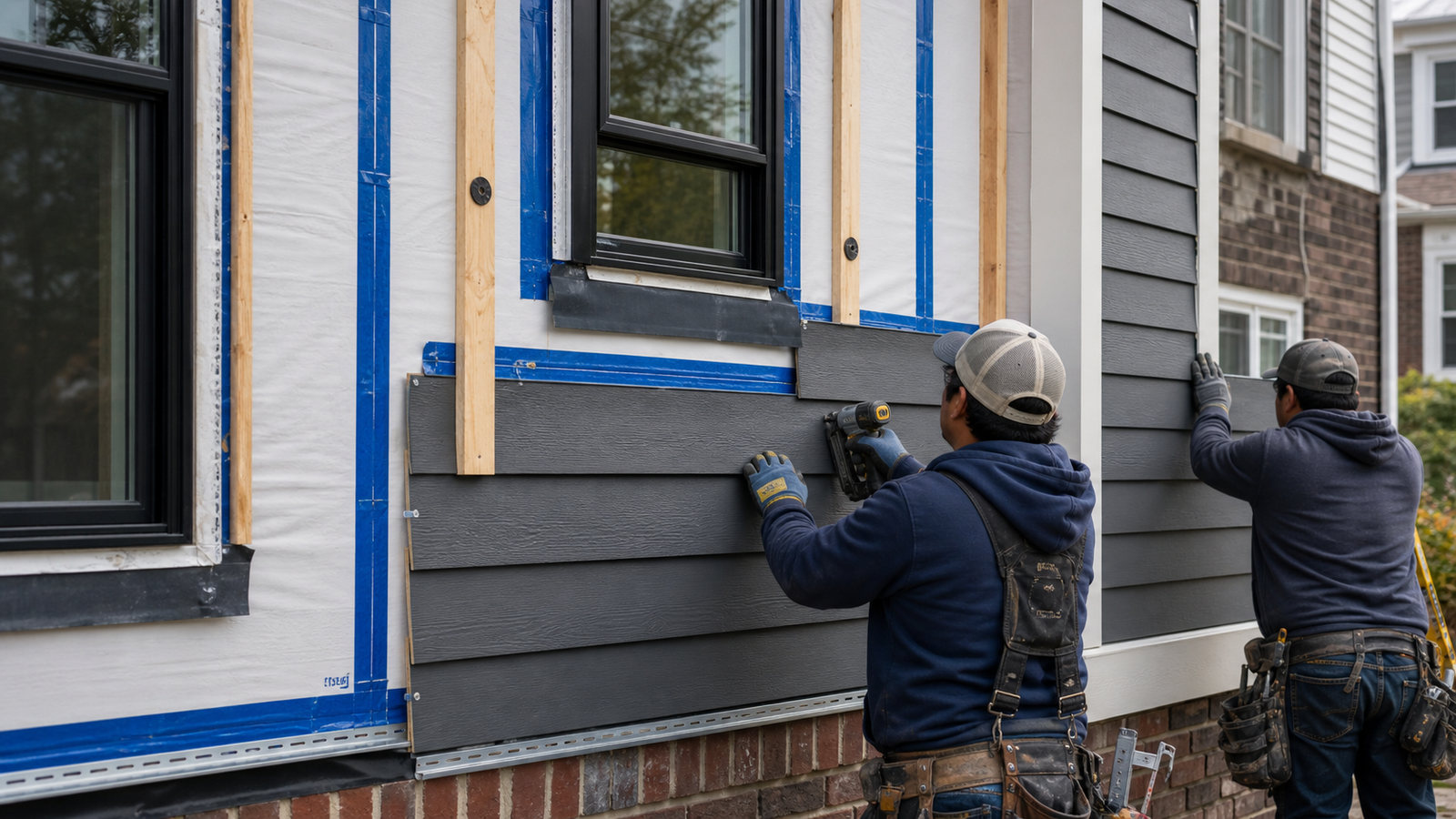
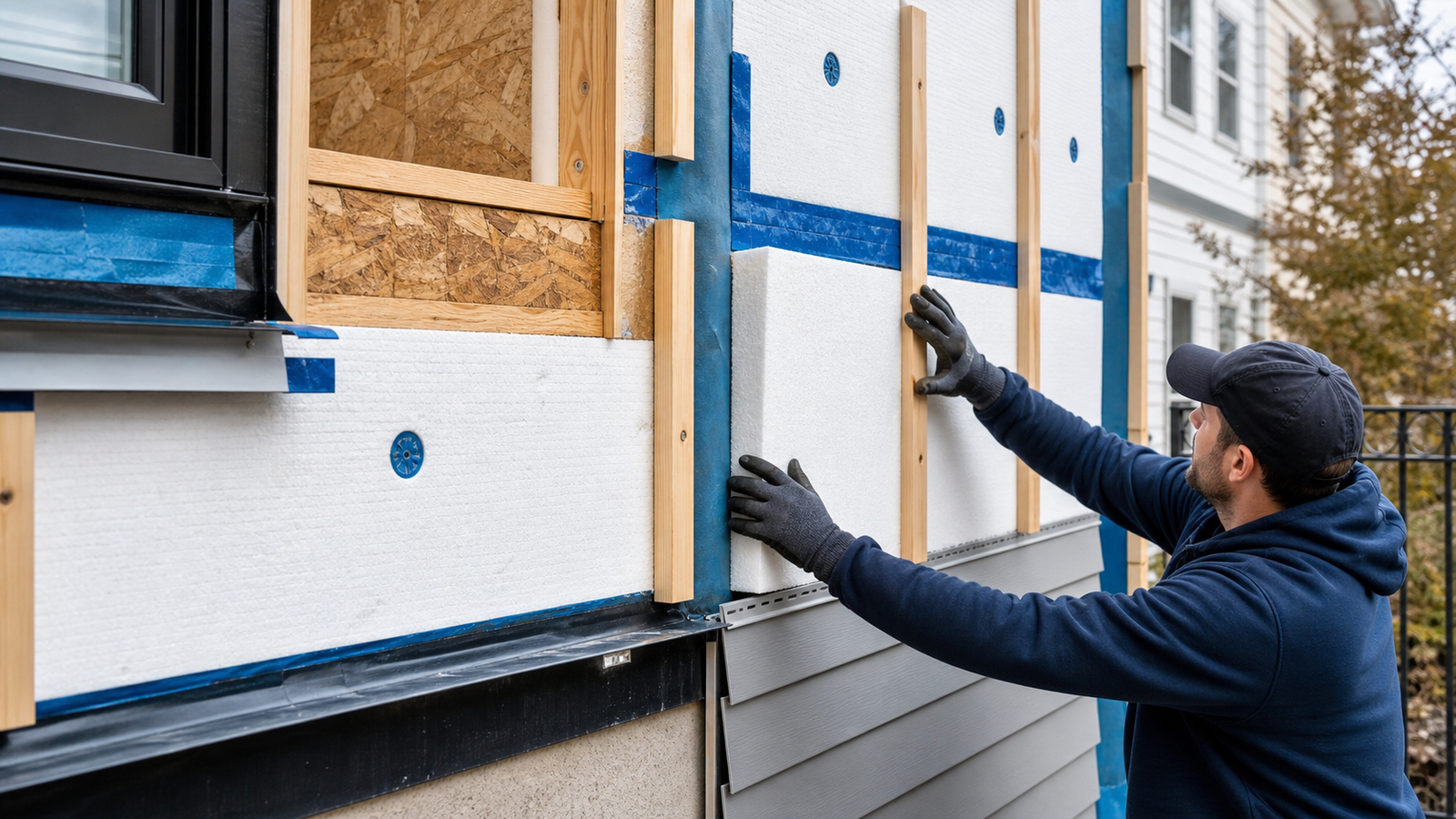
- Exterior insulation, air sealing, and rainscreen upgrades when the wall is open
- Trim, soffit, gutter, window, door, stone, and masonry transition planning
Why homeowners replace siding
Aesthetic, functional, thermal, and energy benefits
New siding can modernize the visible facade, but the best projects also strengthen the wall system behind it. The exact energy gain depends on the existing wall, insulation, air sealing, windows, HVAC, and installation details.
Aesthetic value
Sharper trim lines, updated colors, mixed textures, cleaner window surrounds, and a stronger first impression from the street.
Weather function
Better water shedding, properly lapped weather barriers, window flashing, corner details, and improved drainage behind the cladding.
Thermal comfort
Insulated siding or continuous exterior insulation can reduce cold surface temperatures and help address thermal bridging.
Energy support
When siding is paired with air sealing and insulation improvements, it can support lower heating and cooling demand.
Queens market materials
Common siding options available through local suppliers and contractors
Availability varies by distributor, color, lead time, and project volume. Brand names below are examples of commonly specified product families, not a claim of endorsement, dealership, or guaranteed stock.
Standard vinyl siding
Lightweight, economical, low-maintenance cladding for many Queens homes and rear/side elevations.
$8-$16 / sq ft installed- Budget-friendly
- Many colors and profiles
- No painting cycle
- Can look less premium
- Heat distortion risk
- Lower impact resistance
Insulated vinyl siding
Vinyl siding with foam backing for straighter courses, modest R-value, and better impact feel.
$11-$20 / sq ft installed- Improves wall feel
- Can reduce thermal bridging
- Still low maintenance
- More costly than basic vinyl
- Detailing at openings matters
- Limited premium texture
Fiber cement siding
A crisp painted look with strong durability for lap, panel, shingle, and board-and-batten designs.
$13-$26 / sq ft installed- Clean architectural appearance
- Good fire and pest resistance
- Works with premium trim packages
- Heavier installation
- Cut dust and clearances matter
- Painted surfaces need care over time
Engineered wood siding
Wood-based cladding with factory treatment, strong impact feel, and warm profiles.
$12-$24 / sq ft installed- Warm wood-like texture
- Good impact resistance
- Panel, lap, and trim options
- Edges and clearances are critical
- Finish protection matters
- Not ideal for every wet detail
Natural cedar or wood
Premium shingles, shakes, bevel siding, or accents for homes where warmth and repairability matter.
$18-$35+ / sq ft installed- Natural depth and texture
- Repairable in sections
- Strong historic character
- Requires finishing maintenance
- Higher material and labor cost
- Moisture detailing is essential
Metal siding and panels
Aluminum, steel, and coated metal panel systems for durable, modern, or low-profile facade designs.
$14-$30 / sq ft installed- Durable finish options
- Modern architectural profiles
- Lower rot risk
- Dents can show
- Oil-canning can occur
- Detailing affects noise and movement
Stucco or EIFS-style finish
Continuous textured facade finish used on select residential and mixed-material exteriors.
$16-$32 / sq ft installed- Smooth monolithic look
- Color and texture flexibility
- Can pair with insulation systems
- Crack control matters
- Drainage details are critical
- Repairs require skilled matching
Thin brick veneer
A masonry look for entries, lower facades, party-wall returns, and classic Queens row-house styling.
$24-$50 / sq ft installed- Permanent neighborhood look
- Good curb appeal
- Strong accent value
- Higher labor cost
- Needs drainage plane
- Substrate prep matters
Manufactured stone veneer
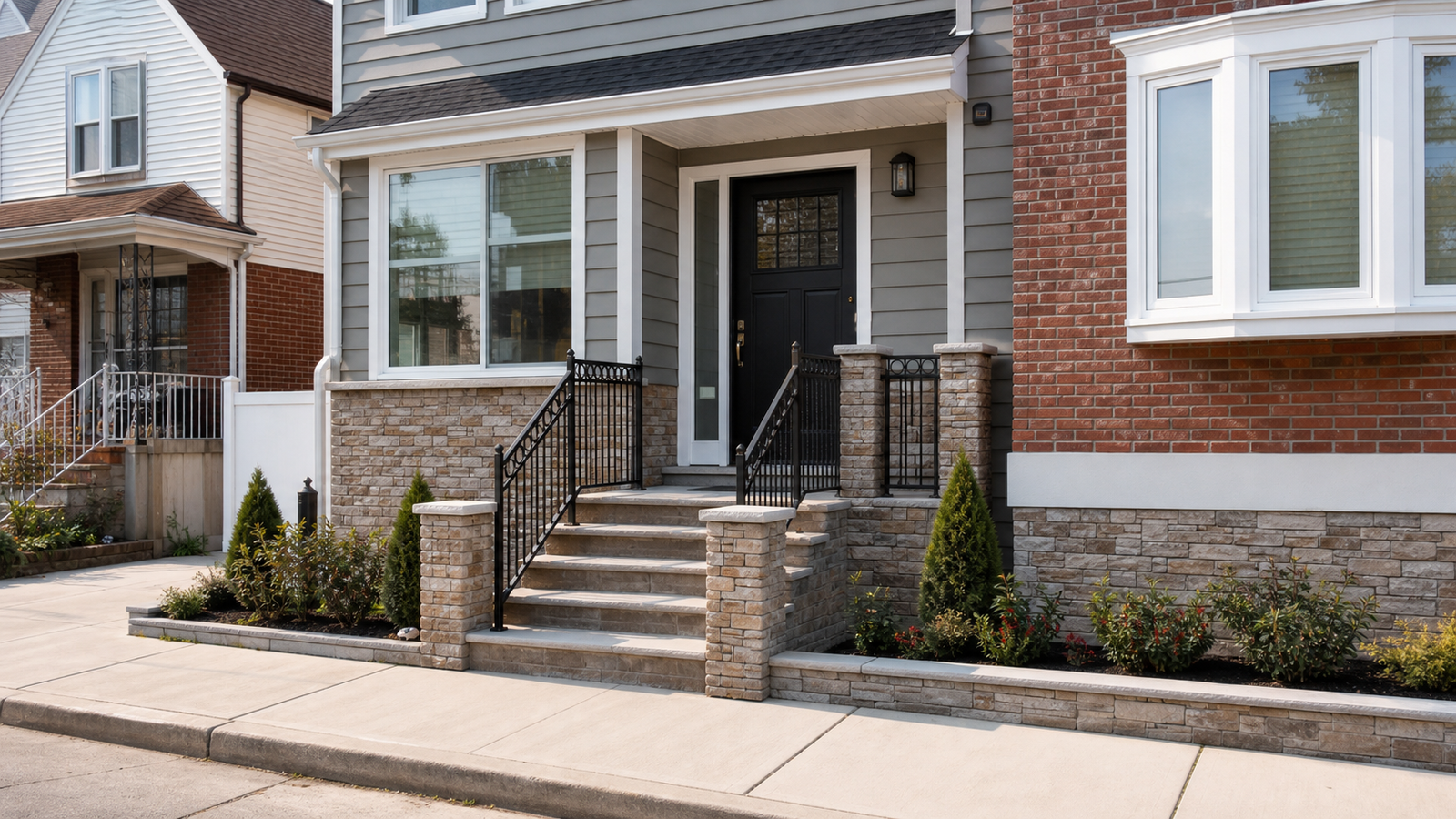
Textured accent cladding for stoops, entry walls, garden-level facades, and mixed-material designs.
$28-$60+ / sq ft installed- High visual impact
- Pairs well with lap siding
- Strong base or entry accent
- Premium labor range
- Water control is non-negotiable
- Pattern quality varies
Brand examples
Product lines commonly considered for Queens siding projects
Brand selection should be matched to budget, facade style, code requirements, exposure, available accessories, and installation details. BluRock can help compare product families during estimate development.
CertainTeed
MainStreet, Monogram, Cedar Impressions, and CedarBoards insulated siding are common references for vinyl and shake looks.
- Good color/profile range
- Insulated options
- Budget to mid-premium tiers
Alside, Ply Gem, Mastic
Commonly specified vinyl and insulated siding families for budget-conscious replacements and clean facade refreshes.
- Broad availability
- Traditional lap profiles
- Accessory trim systems
James Hardie
HardiePlank, HardiePanel, and HardieShingle are frequent choices for crisp painted lap, panel, and shingle designs.
- Strong architectural look
- Factory-finish options
- Heavier install details
Allura, Nichiha
Alternative fiber cement and architectural cladding lines for panels, modern profiles, and specialty facade designs.
- Panel options
- Commercial-style looks
- Detail-driven install
LP SmartSide
Lap, panel, shingle, and trim products used where a warmer wood-like appearance and impact resistance are priorities.
- Wood-based texture
- Long lengths and trim options
- Cut-edge protection matters
Maibec and cedar
Natural cedar shingles, shakes, and prefinished wood siding are used for premium, traditional, or historic-style facades.
- Natural character
- Repairable sections
- Finish maintenance required
Quality Edge, EDCO, PAC-CLAD
Metal siding, steel profiles, aluminum trim, and architectural panels for durable modern exterior packages.
- Modern profiles
- Durable coated finishes
- Dent and oil-canning review
Versetta, Eldorado, Glen-Gery
Stone veneer, manufactured stone, thin brick, and masonry accent products for entries and lower facade upgrades.
- High curb appeal
- Great for entry bases
- Water management is critical
Cost analysis
Installed siding cost ranges for planning a Queens project
These are planning ranges for siding area, not a final quote. Removal, access, scaffold, sheathing repairs, insulation, window trim, soffits, gutters, DOB filings, LPC review, and complex masonry transitions can change the number.
Basic refresh
Approximate planning range for 2,000 sq ft of standard vinyl siding at $8-$16 per sq ft, before unusual repairs or access costs.
Fiber cement
Approximate range for 2,000 sq ft of fiber cement siding at $13-$26 per sq ft, depending on trim, height, and wall preparation.
Insulated vinyl
Approximate range for 2,000 sq ft of insulated vinyl at $11-$20 per sq ft, often selected for budget plus thermal improvement.
Stone veneer
Approximate range for 2,000 sq ft of full stone veneer at $28-$60+ per sq ft. Many projects use stone as an accent instead.
Performance comparison
Cost is only one part of the siding decision
The best material depends on front facade visibility, rear and side access, long-term maintenance tolerance, exposure, insulation goals, and the style of surrounding Queens homes.
Vinyl and insulated vinyl
Fiber cement and engineered wood
Cedar, metal, brick, and stone
| Material | Best fit | Maintenance | Energy note | Queens watch-outs |
|---|---|---|---|---|
| Vinyl | Cost-sensitive replacements, side and rear elevations, traditional lap siding. | Wash periodically; inspect caulk and trim. | Low R-value unless paired with foam or exterior insulation. | Heat reflection, wavy walls, and accessory color matching. |
| Insulated vinyl | Budget plus comfort improvement, straighter visual plane, lower maintenance goals. | Similar to vinyl; detail foam at trim carefully. | Can modestly improve thermal bridging and surface comfort. | Thicker profile changes window and door returns. |
| Fiber cement | Premium painted facade, crisp trim packages, front elevations. | Wash, inspect paint/caulk, repaint as finish ages. | Cladding itself is not insulation; pairs well with exterior insulation. | Weight, dust control, clearances, and flashing details. |
| Engineered wood | Wood-like warmth, board-and-batten, trim-heavy designs. | Protect cut edges and finish; inspect clearances. | Thermal gain usually comes from added insulation layer. | Moisture exposure at stoops, roof lines, and lower walls. |
| Cedar | Traditional, natural, or historic-style facades. | Highest finishing cycle among common siding options. | Rainscreen and air sealing matter more than the wood itself. | Finish upkeep, moisture, and possible neighborhood review. |
| Brick or stone veneer | Entry accents, lower facade bases, masonry-style curb appeal. | Lower finish upkeep; monitor joints and water paths. | Thermal value depends on wall assembly behind veneer. | Drainage plane, weeps, substrate prep, and labor access. |
Thermal and energy details
Energy performance comes from the whole wall assembly.
Siding is the finish layer. Comfort and energy improvements usually come from what is installed behind it: air sealing, weather-resistive barrier, exterior insulation, taped seams, correct flashing, and a drainage path that helps the wall dry.
Local project factors
What BluRock reviews before pricing siding in Queens
A siding quote should reflect the actual building, not only a material square-foot number. The most accurate pricing comes after reviewing existing layers, access, wall condition, details, and compliance needs.
Access and staging
Attached houses, narrow driveways, shared alleys, sidewalk protection, and scaffold needs can affect labor and schedule.
Existing wall condition
Rotten sheathing, old water damage, open gaps, and previous patchwork can add repair scope once the old siding comes off.
Window and door details
Trim depth, flashing, bay windows, storm doors, and replacement windows can change the siding return and finish detail.
Facade design
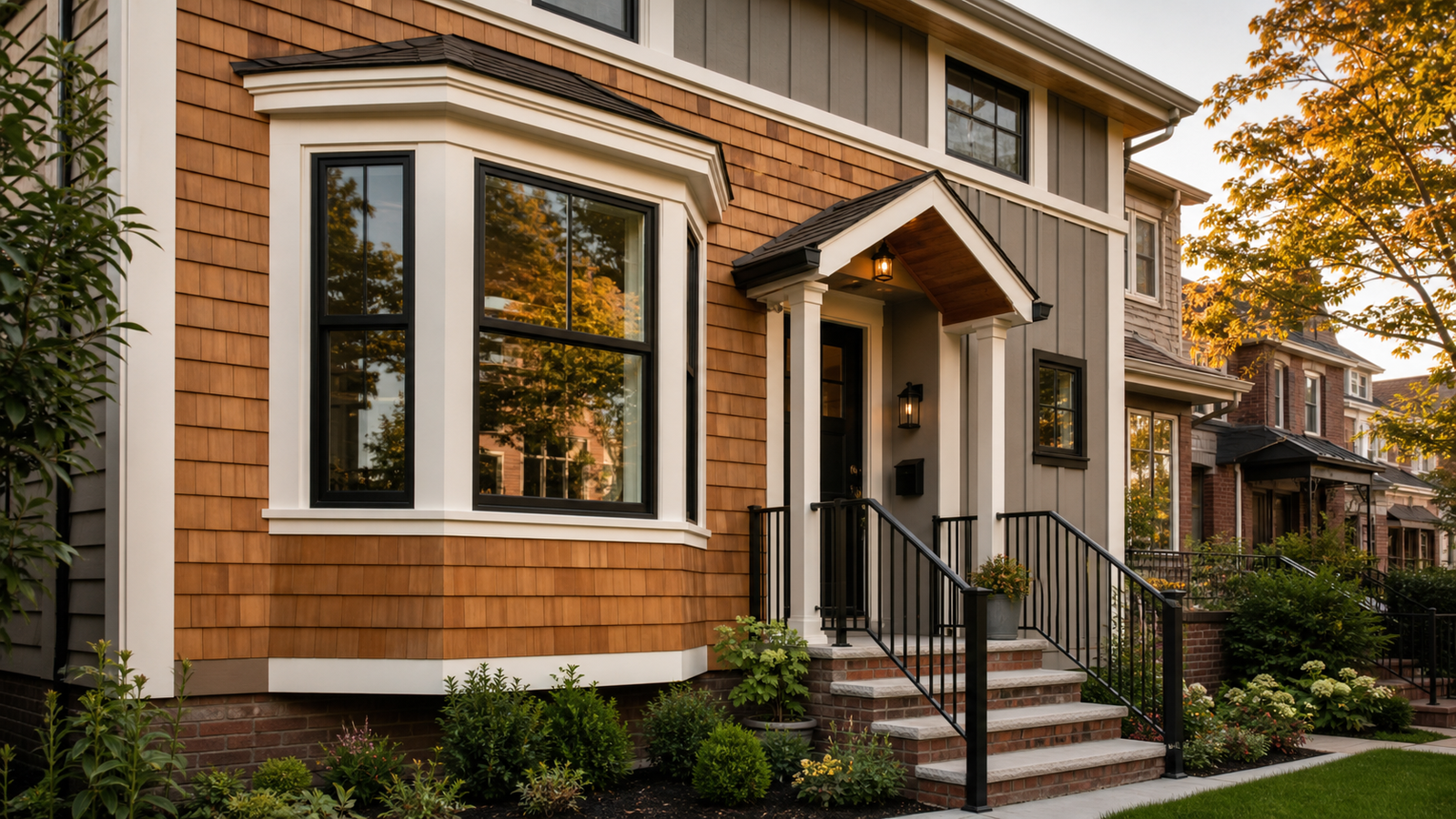
Mixing lap siding, shakes, board-and-batten, stone veneer, and trim accents can improve curb appeal but adds labor.
Permits and review
DOB filing or Landmarks review may be needed depending on scope, building type, facade changes, and historic district status.
Energy upgrades
Exterior insulation, air sealing, and rainscreen work should be planned before material takeoff because they affect trim depth.
BluRock process
A practical siding workflow from inspection to finish details
Every siding material performs better when the project is sequenced carefully. BluRock focuses on preparation, wall control layers, and finish alignment before the final punch list.
Assess
Review the facade, access, existing siding, wall damage, trim, windows, roof edges, gutters, and masonry transitions.
Compare
Price material options, brand lines, insulation upgrades, accent areas, and maintenance expectations before ordering.
Prepare
Remove old material, repair sheathing as needed, establish weather barrier, flashing, starter, and trim layout.
Install
Set siding, details, corners, penetrations, caulk joints, cleanup, and final review for a clean finished facade.
Questions homeowners ask
Siding FAQ for Queens properties
These answers are general planning guidance. A site visit is the right next step for pricing, code review, and product selection.
Which siding material is best for a Queens home?
There is no single best material. Vinyl is often the value option, insulated vinyl adds some thermal benefit, fiber cement gives a crisp painted look, engineered wood adds warmth and impact resistance, and masonry or stone veneer can be excellent for accent areas. The right answer depends on budget, facade visibility, maintenance preference, wall condition, and local review requirements.
Is insulated siding worth it?
Insulated siding can improve the feel and straightness of the wall and add modest R-value, especially compared with standard hollow vinyl. For deeper performance improvements, pair the siding project with air sealing and continuous exterior insulation where wall details allow it.
Do I need a permit for siding replacement in NYC?
Permit needs depend on building type, scope, facade changes, structural work, fire-rated assemblies, landmark status, and whether the work is repair or alteration. DOB and Landmarks requirements should be checked before construction begins, especially for front facade changes or historic districts.
Can BluRock mix siding with brick or stone veneer?
Yes. Mixed-material facades are often a good way to control cost while giving the most visible areas more depth. Stone or thin brick is commonly used at entries and lower walls, with lap siding, fiber cement, or engineered wood above.
What causes siding costs to rise?
The largest variables are scaffold and access, removal and disposal, damaged sheathing, window and door trim complexity, insulation upgrades, masonry transitions, permits, and specialty materials. A simple rear wall is very different from a detailed front facade with bay windows and stone accents.
Plan your siding upgrade
Compare materials, brands, and cost options before your exterior work begins.
Talk with BluRock Services about siding replacement, facade updates, exterior insulation, stone or brick veneer accents, and practical installation details for your Queens property.
Before & After Projects
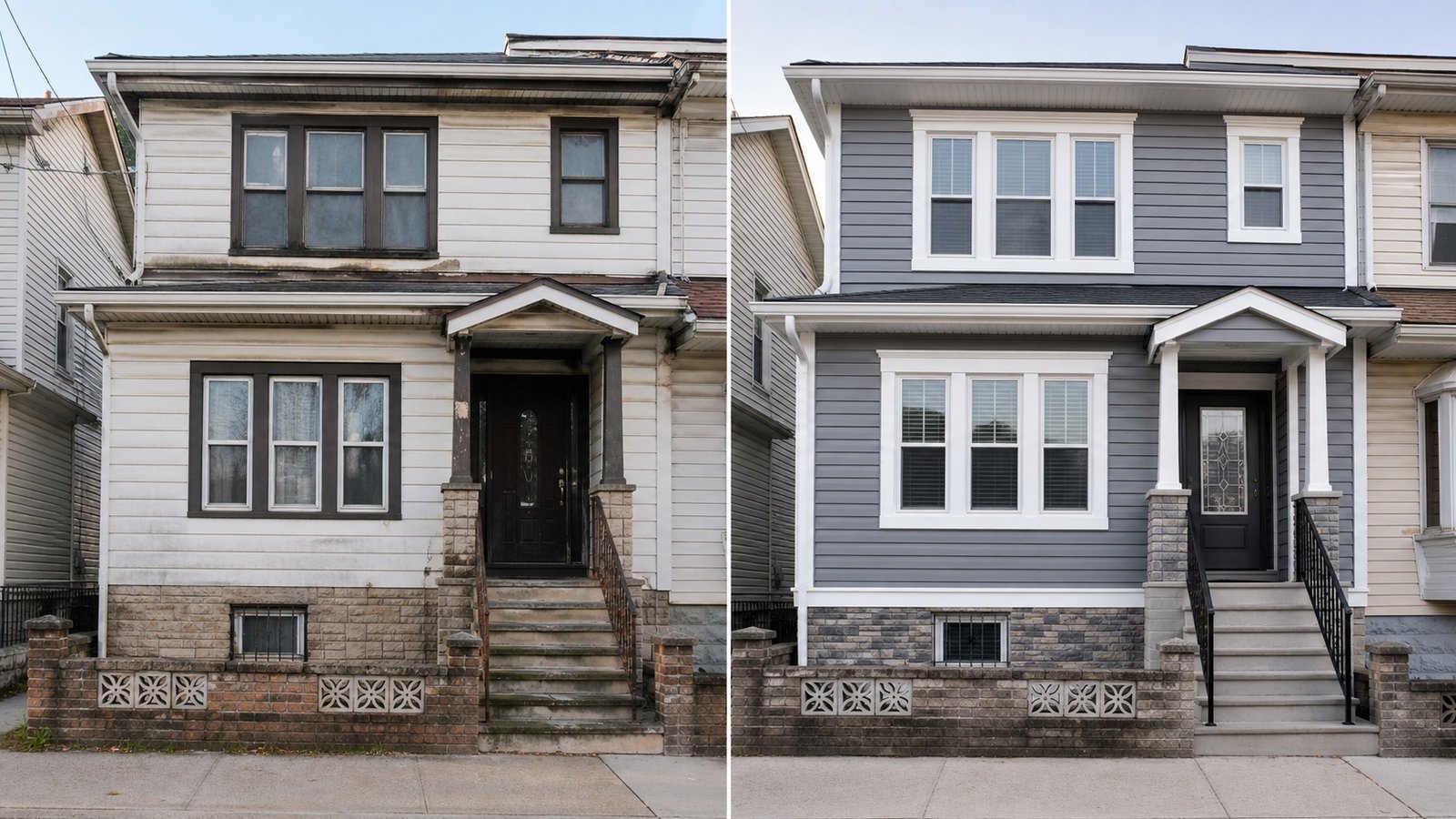
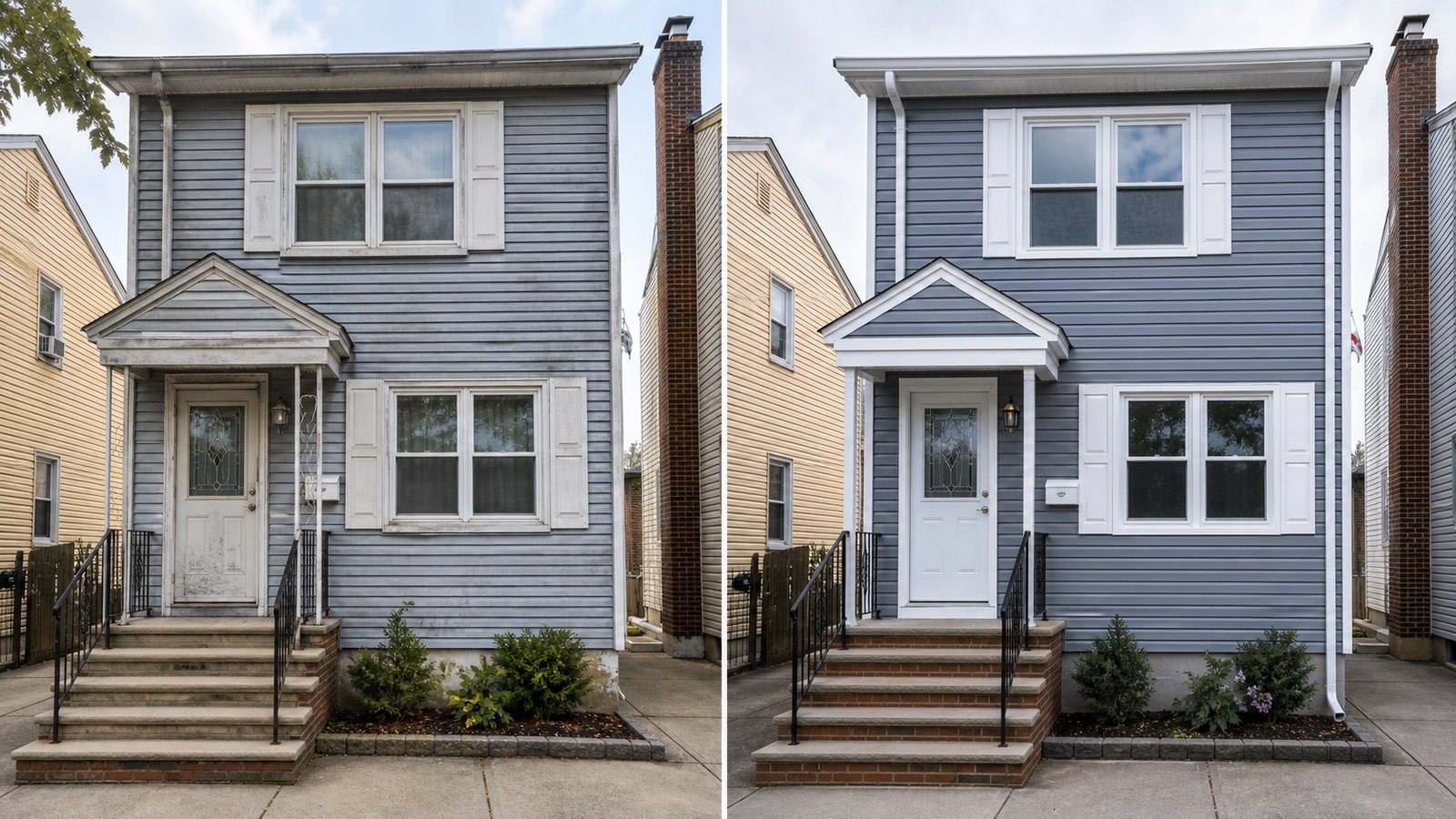
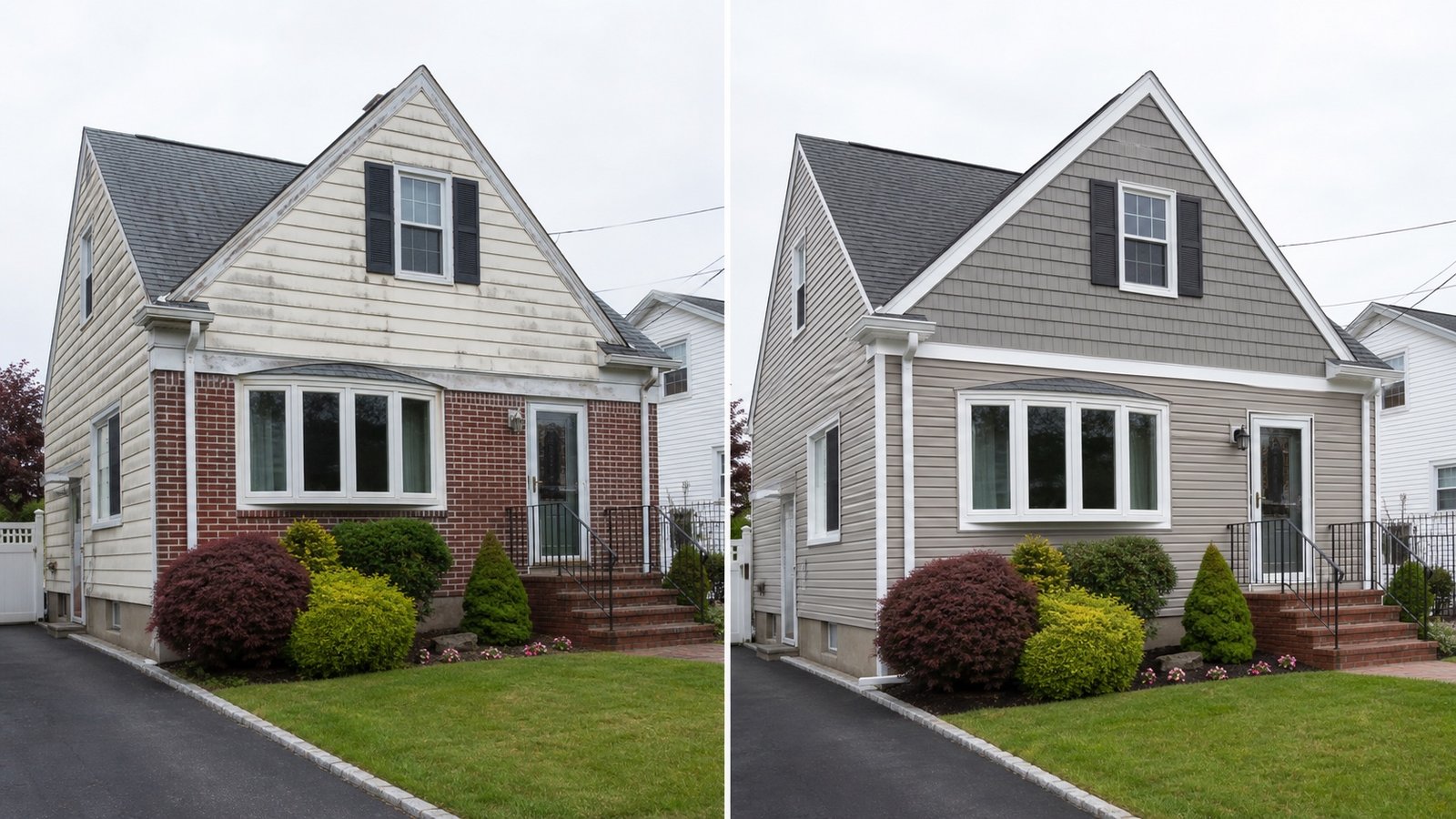
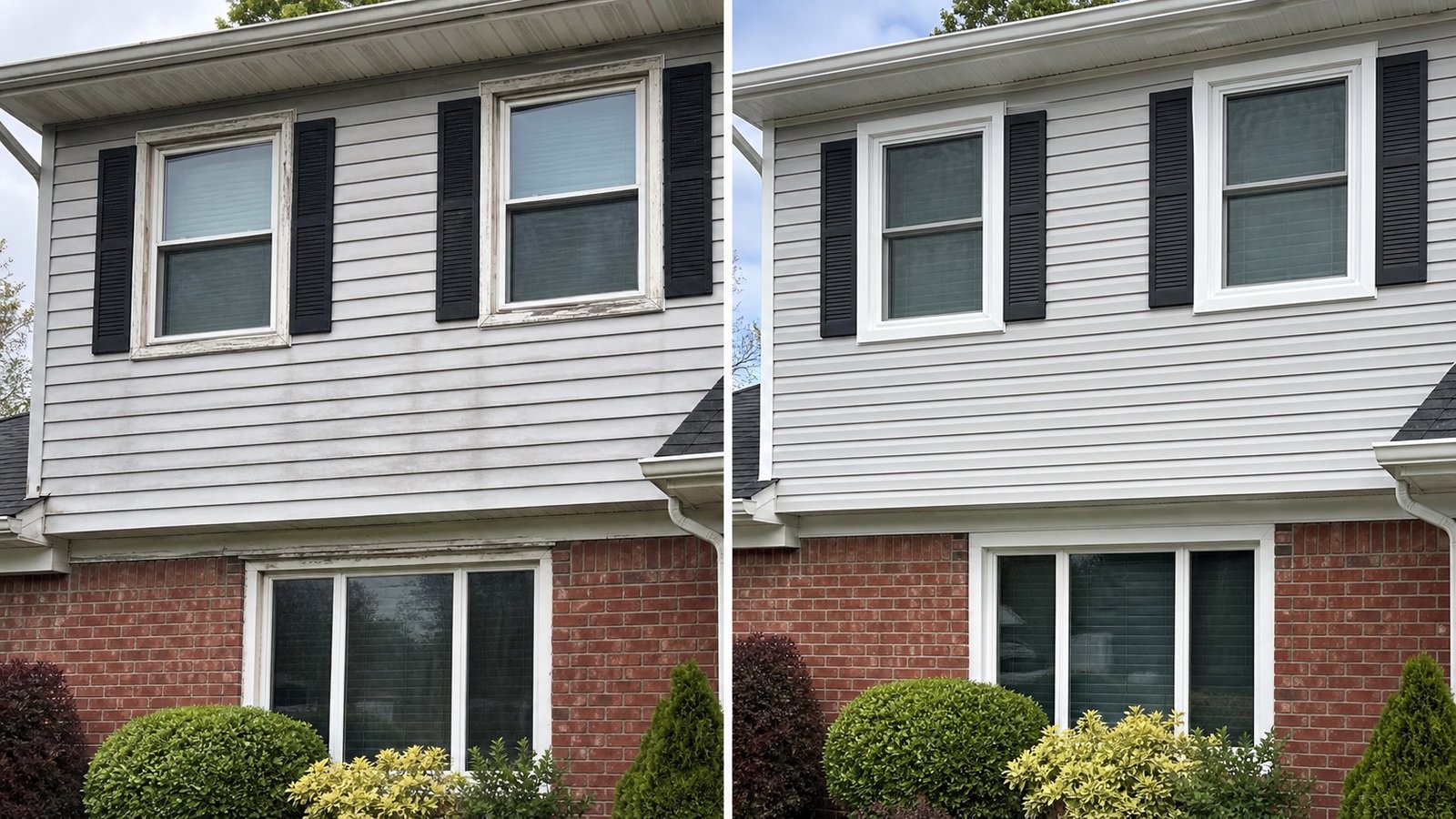
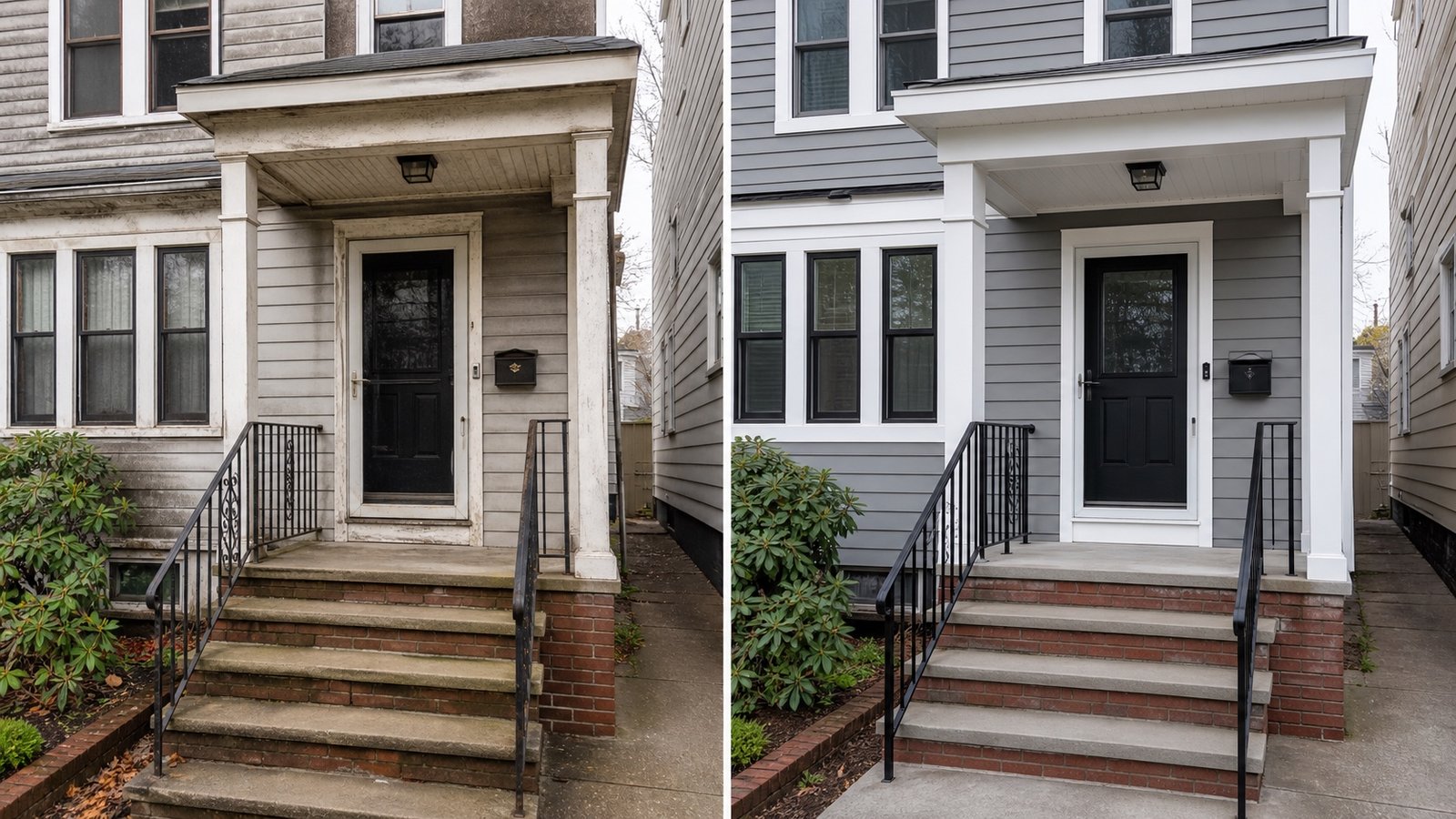
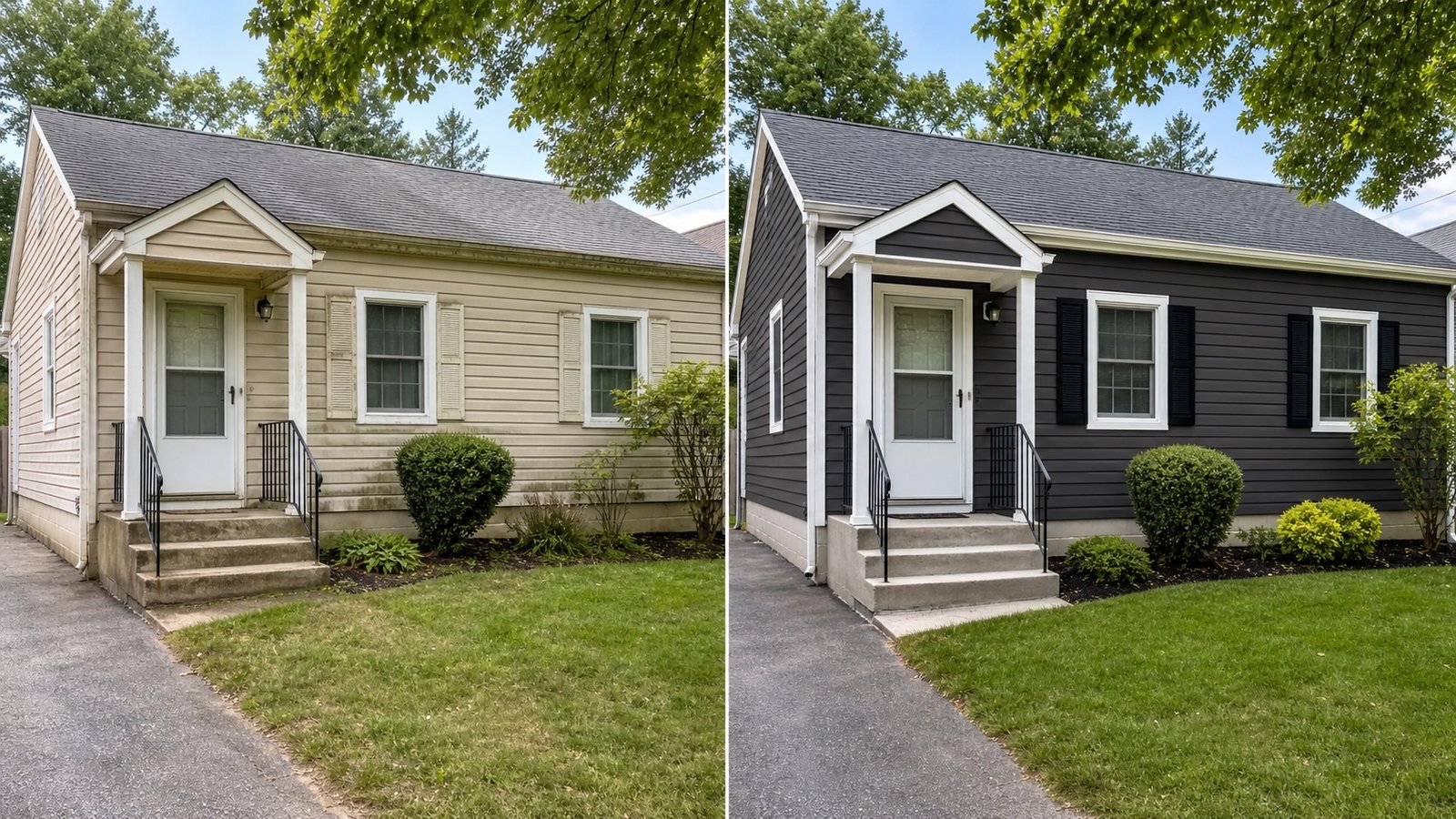
Siding Before and After Projects
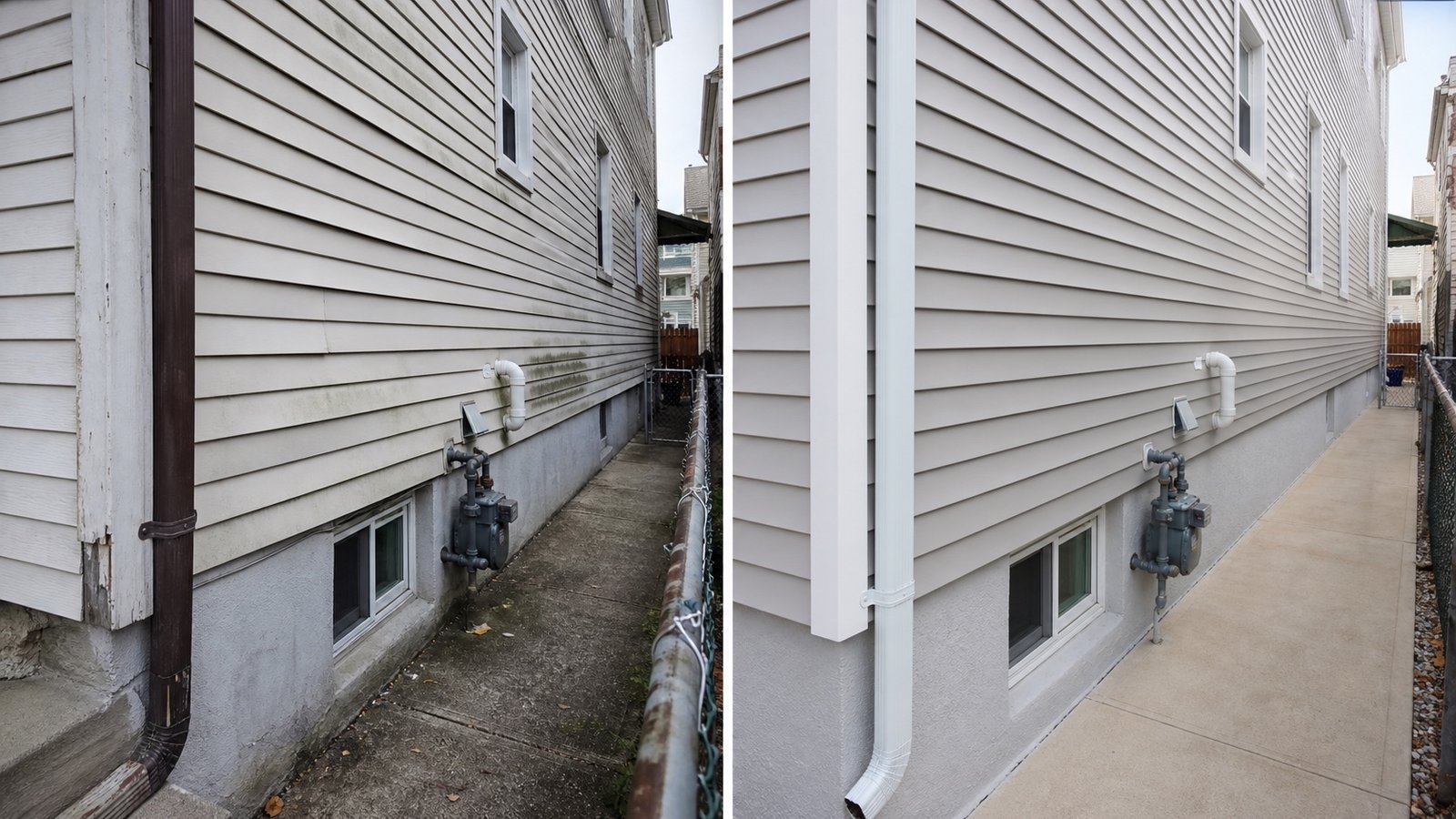
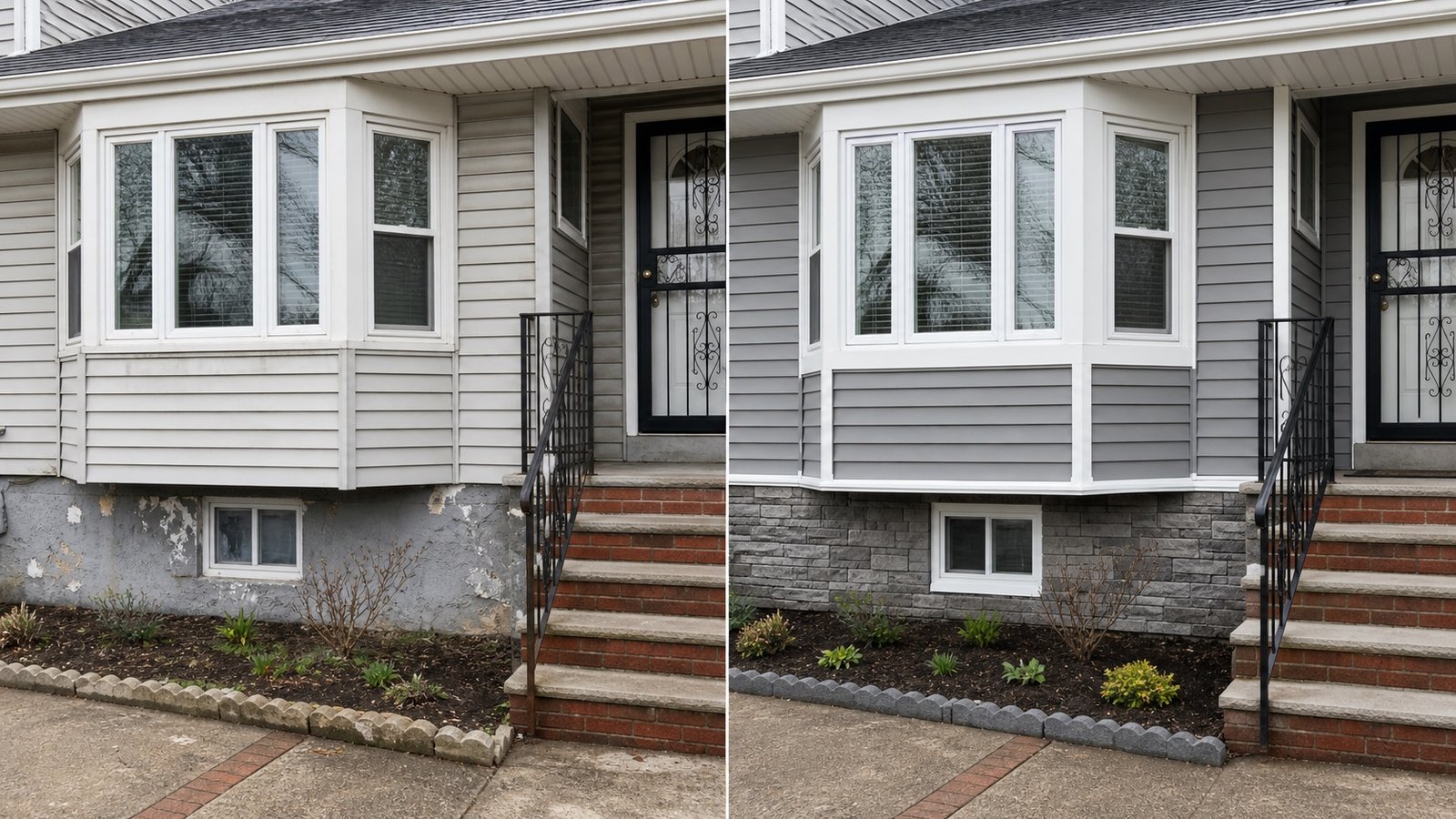
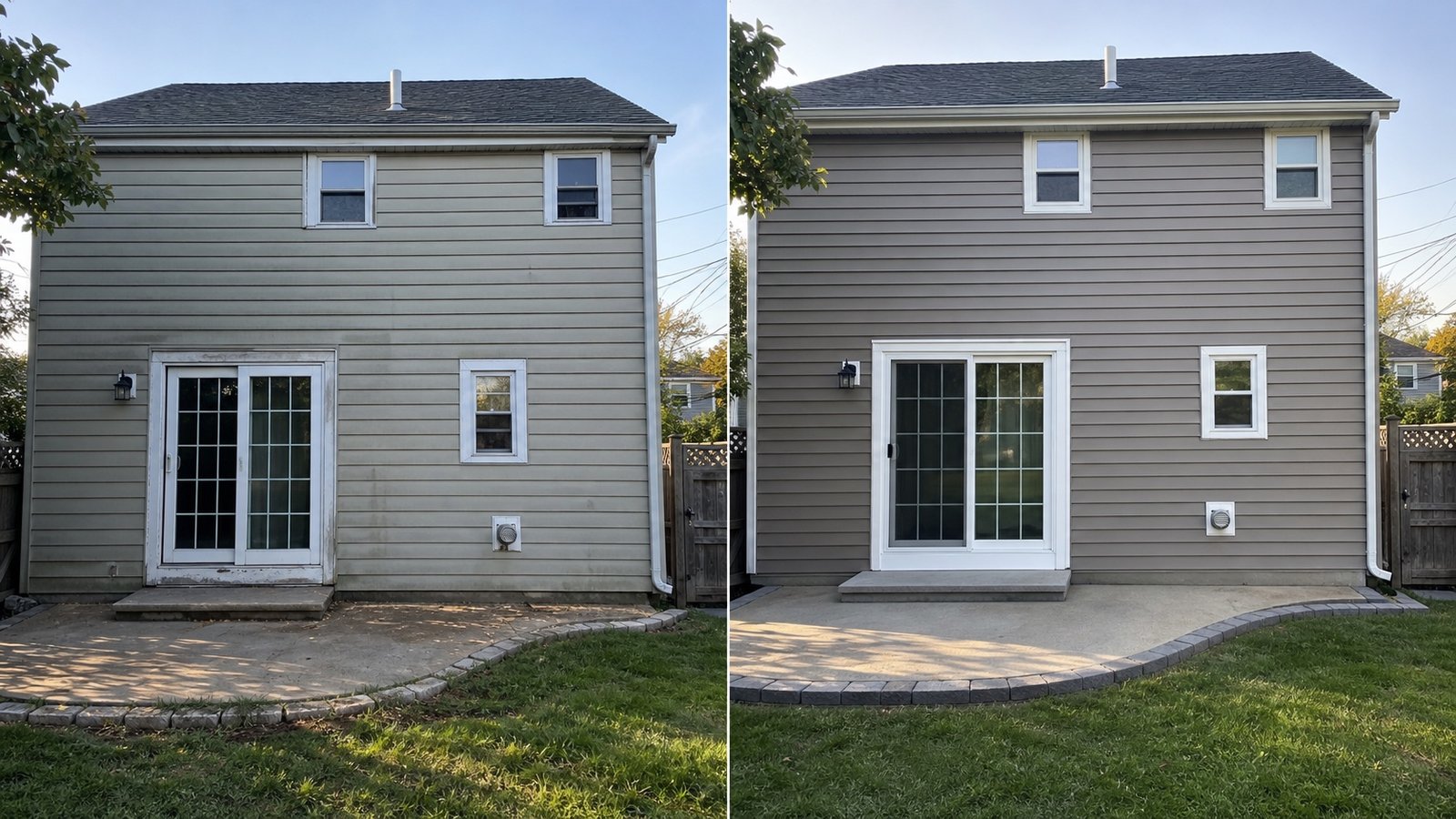
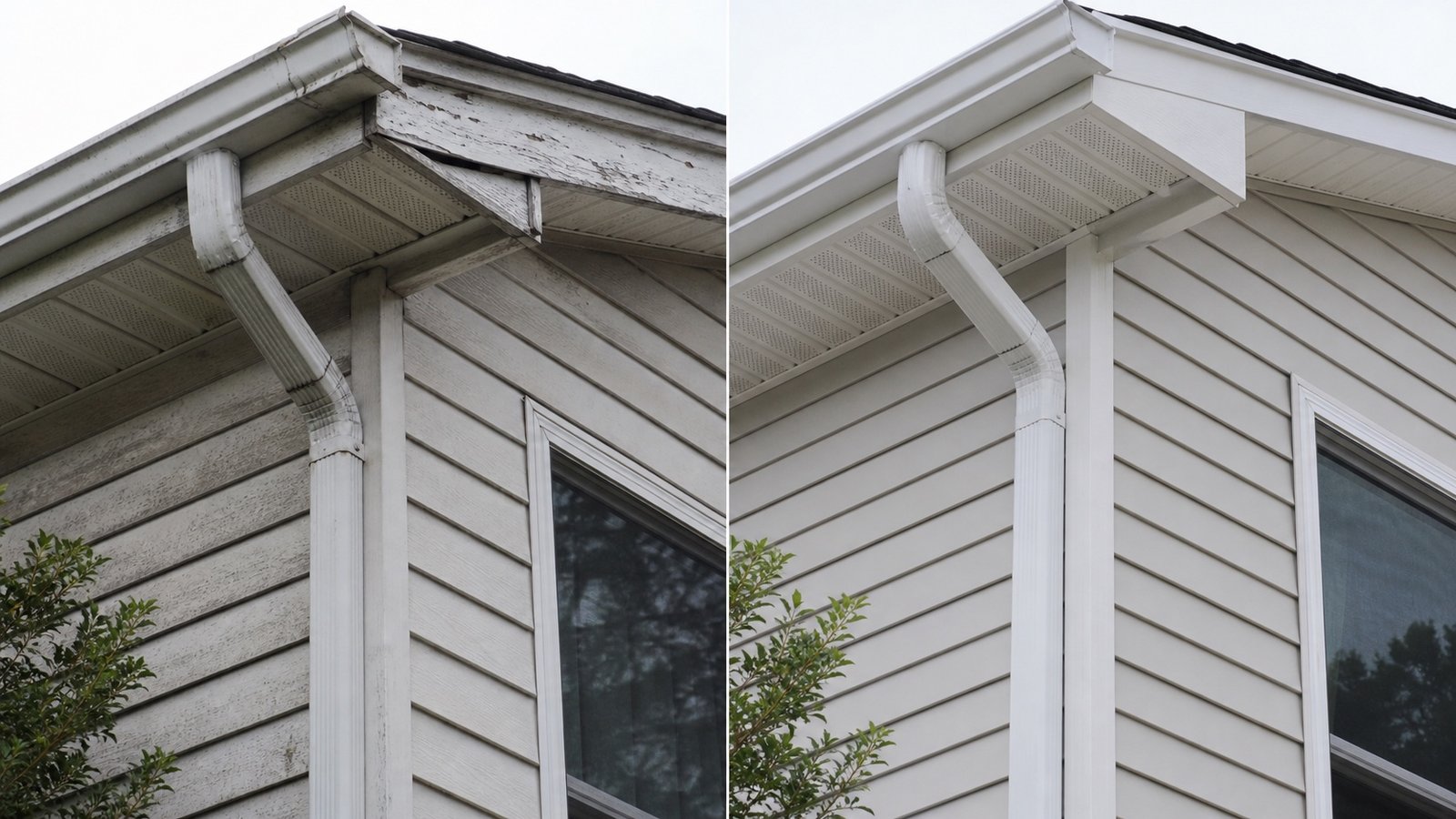
See exterior siding, trim, soffit, fascia, and facade refresh projects built for Queens and Long Island homes.