

Exterior, Patio, Interior, and Fire-Rated Door Installation
BluRock Services helps Queens homeowners and building owners choose doors that look right, close tight, meet performance requirements, and stand up to daily use, weather, security needs, and NYC project conditions.
A good door project is more than a slab and a handle.
An exterior door has to resist wind-driven rain, seasonal movement, heat loss, condensation, daily wear, forced-entry stress, and sometimes fire separation. The product matters, but the frame, sill, flashing, shims, air sealing, hardware, and finish work are what make it perform.
BluRock approaches door replacement as a building-envelope upgrade. We look at the opening, wall type, exposure, security, glass area, interior finish, building rules, and the way people actually use the entrance.
- Entry doors, patio doors, French doors, storm doors, side doors, basement doors, interior doors, and apartment entry doors.
- Fiberglass, steel, wood, composite, aluminum-clad, vinyl patio systems, glass inserts, and fire-rated assemblies.
- Door hardware, multipoint locks, closers, sweeps, thresholds, casing, brickmold, trim repair, and paint-ready finish work.
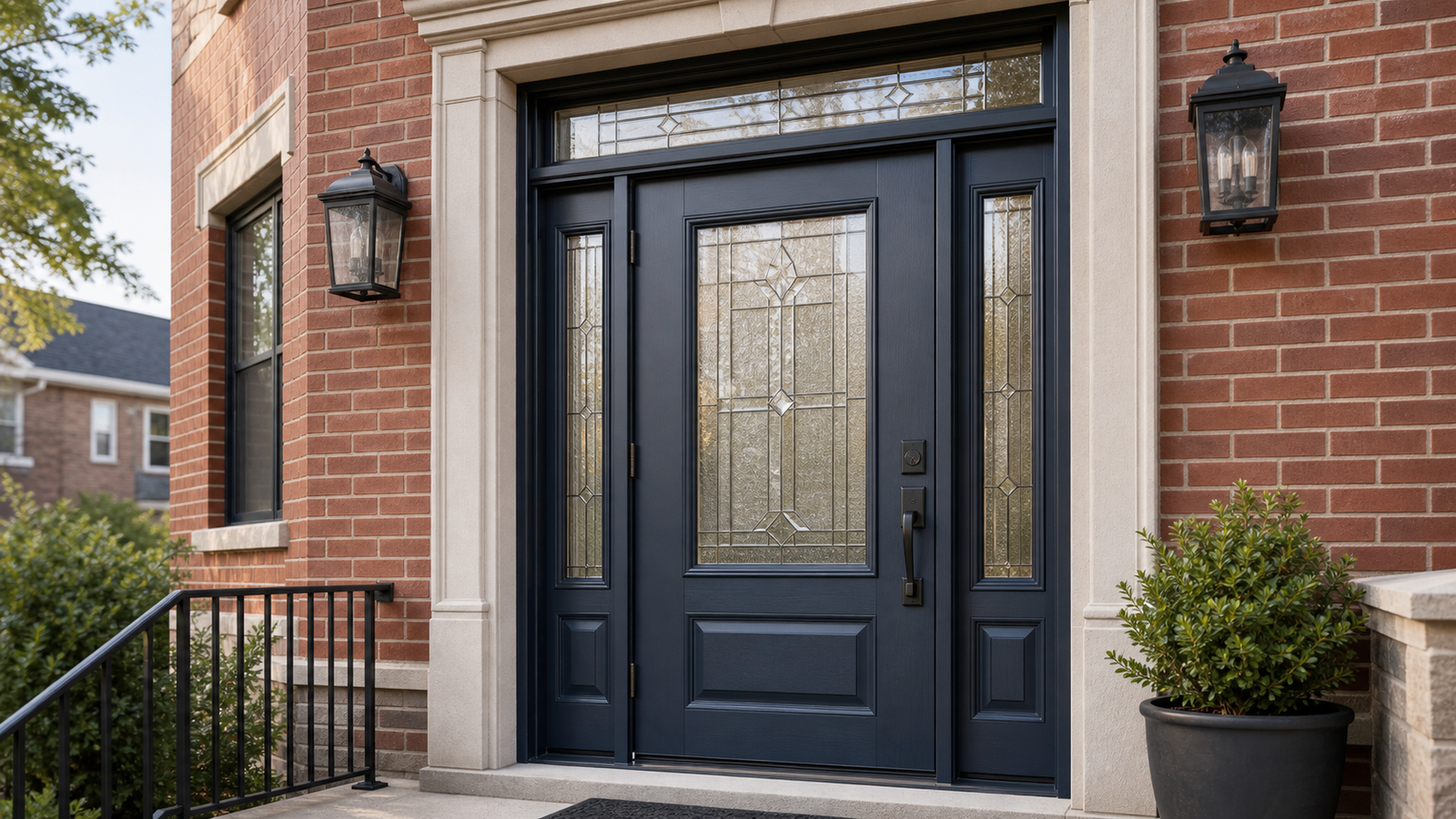
How doors lose energy, and where better products actually help.
For doors, the biggest performance variables are glazing level, air leakage, thermal bridging through metal parts, compression at the weatherstrip, and whether the sill is flashed and sealed correctly.
U-factor and air-leakage targets
Lower U-factor is better. Values shown are planning references from ENERGY STAR residential door criteria and the NYC 2025 NYCECC residential envelope tabular analysis.
More glass brings daylight and curb appeal, but it usually makes U-factor and SHGC selection more important.
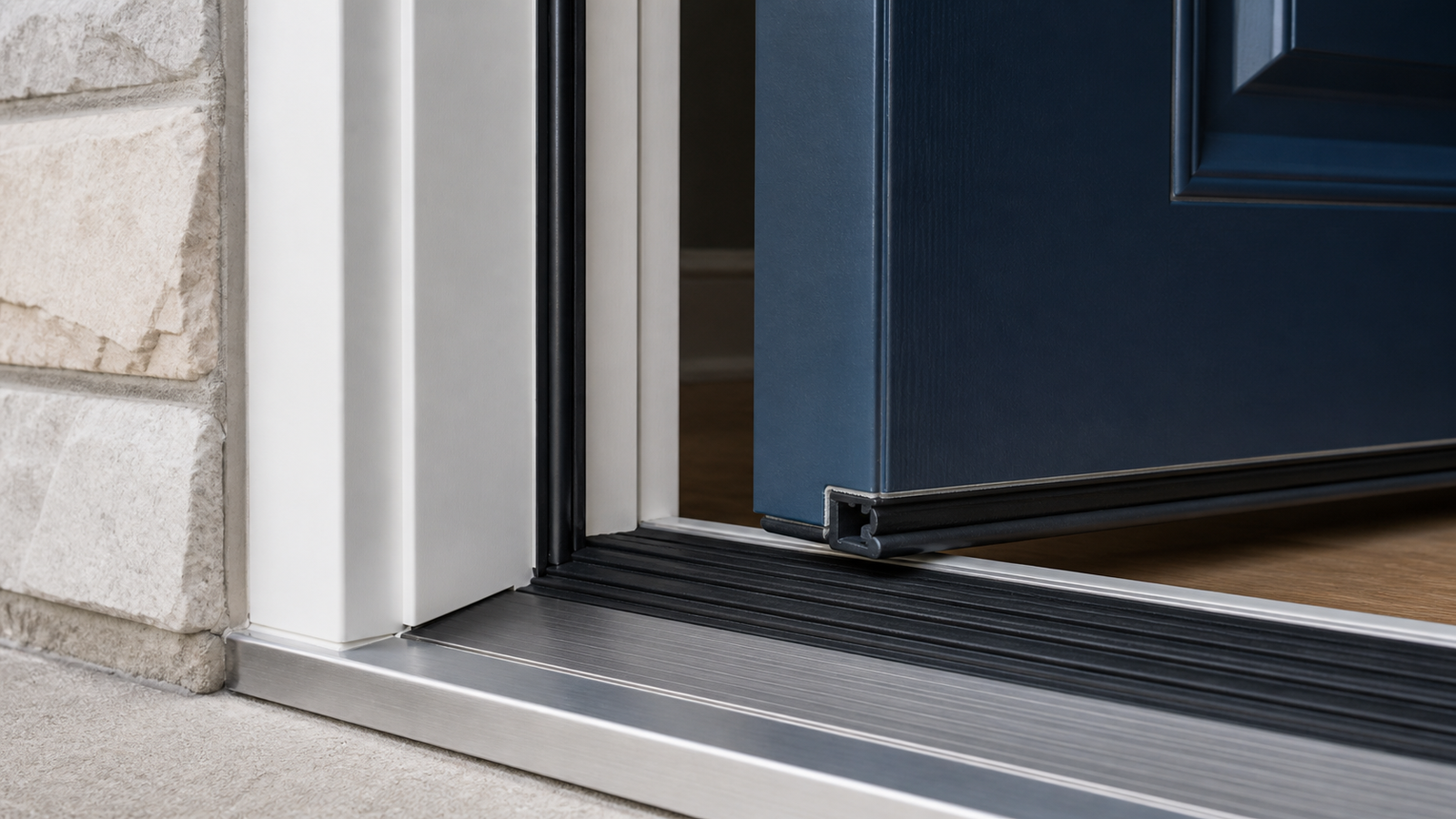
Compression seals, sweeps, and square frames reduce drafts more than caulk alone.
A flashed sill pan and back dam help protect the framing below the threshold.
Metal frames and thresholds should be specified to limit conductive heat transfer.
| Performance topic | What it means | What BluRock checks | Common door-page takeaway |
|---|---|---|---|
| U-factor | Rate of heat flow through the entire door assembly. Lower is better. | NFRC label, glazing percentage, frame type, insulated core, and code target when applicable. | Opaque insulated fiberglass or steel often performs better than high-glass options. |
| SHGC | Solar heat gain through glass. Lower blocks more solar heat. | South and west exposure, patio door glass, sidelights, transoms, shade, and comfort goals. | Queens homes with large sunny sliders benefit from intentional glass selection. |
| Air leakage | Measured infiltration through the product assembly. | Door sweep, compression weatherstrip, latch alignment, threshold contact, and manufacturer rating. | A premium door can still feel drafty if the frame is out of square. |
| Thermal bridge | A conductive path that bypasses insulation. | Metal thresholds, masonry returns, steel lintels, uninsulated frames, and poor flashing transitions. | The details around the door are part of the thermal design. |
Current NYC door planning points for 2026 projects.
As of March 30, 2026, complete NYC applications filed on or after that date are subject to the 2025 New York City Energy Conservation Code. Not every door replacement triggers a full energy-code filing, but code-aware selection prevents costly mismatches.
Fenestration schedule
When the energy code applies, doors with glazing are usually treated with the fenestration schedule. The 2025 NYCECC residential envelope workbook lists vertical fenestration U-factor at 0.27 and glazed vertical fenestration SHGC at 0.40 for Climate Zone 4.
Air leakage limits
The ENERGY STAR door table and the NYC residential envelope analysis both point to air-leakage limits of 0.3 cfm/ft2 for sliding doors and 0.5 cfm/ft2 for swinging doors when tested under the listed standards.
Envelope certificate
Covered projects may require permanent envelope documentation listing insulation R-values, fenestration U-factors, SHGC, air-leakage testing, duct testing, and equipment efficiency information.
Fire and egress
Apartment entries, garage-to-house doors, mechanical rooms, stair corridors, and certain multifamily conditions can involve fire ratings, closers, smoke gasketing, and egress clearance requirements.
Structural and masonry openings
Changing door size, moving a header, disturbing a lintel, cutting masonry, or changing a means of egress is a different project than replacing a door in the same opening.
Building rules
Co-ops, condos, landmarks, HOAs, and multifamily buildings may require board approvals, matching corridor aesthetics, fire-rated labels, insurance documents, or access scheduling before work begins.
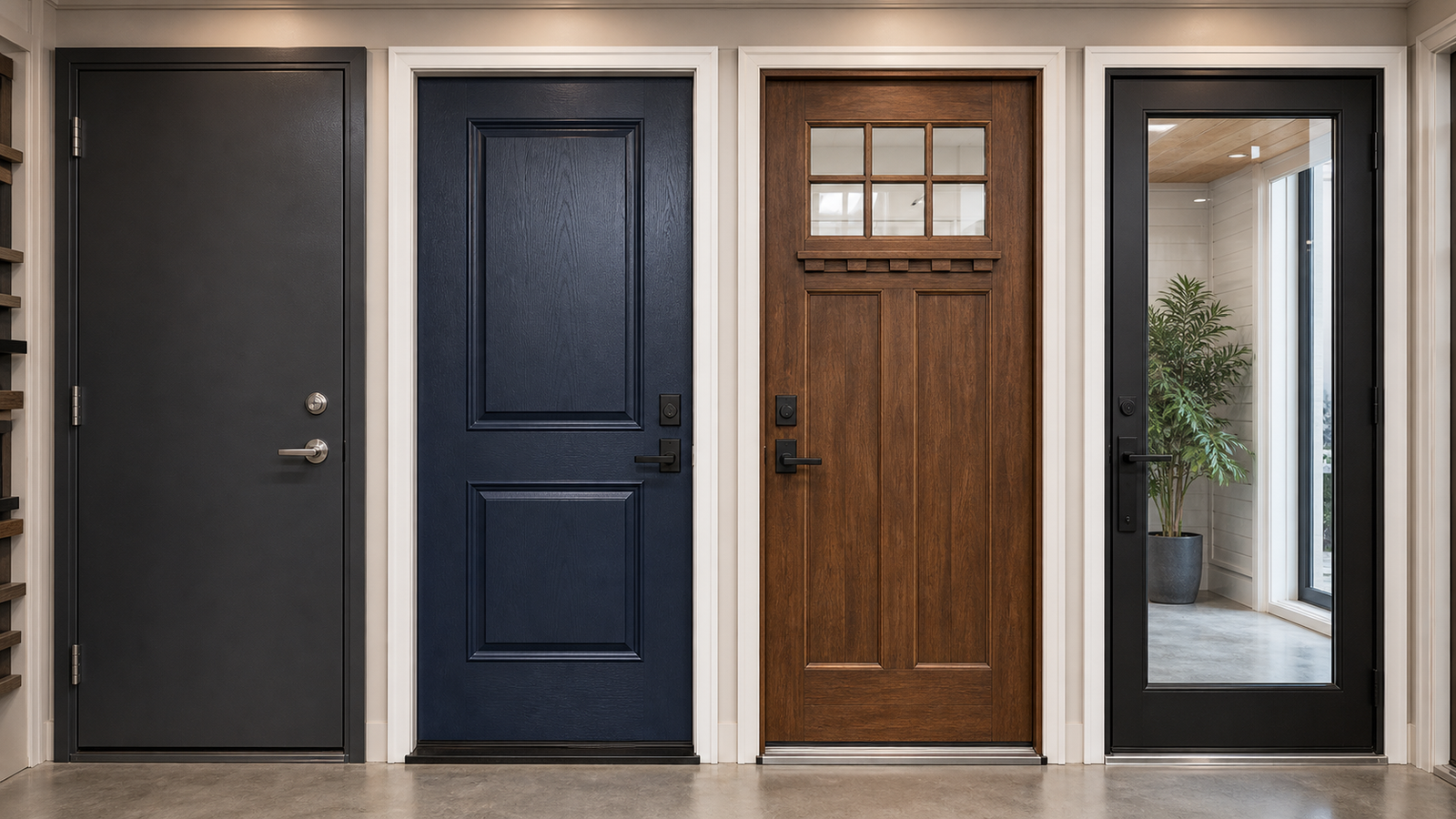
Choose the door type around the opening, exposure, style, and budget.
There is no single best door for every Queens home. A shaded brick row house, a windy side door, a south-facing patio slider, and a co-op apartment entry each ask for a different balance of insulation, durability, security, maintenance, glass, finish, and approval requirements.
Brands commonly compared for residential door projects include Therma-Tru, ProVia, Pella, Andersen, Masonite, and JELD-WEN. BluRock can help evaluate the product line, not just the brand name: the glass package, frame system, threshold, hardware prep, lead time, warranty terms, and installer requirements are what decide whether the door fits the project.
| Material | Strengths | Watch-outs | Best fit in Queens |
|---|---|---|---|
| Fiberglass | Stable, low maintenance, insulated cores, wood-look textures, good resistance to dents and weather. | Quality varies by line; high-glass models need careful U-factor selection. | Front entries, side doors, brick homes, exposed entrances, and upscale curb appeal. |
| Steel | Strong, secure, often cost-effective, common for fire-rated and multifamily applications. | Dents can be harder to hide; scratches need prompt paint protection to prevent corrosion. | Apartment entries, service doors, garage-to-house doors, basement doors, and utility access. |
| Wood | Rich appearance, repairable, historically appropriate, excellent for custom aesthetics. | Needs maintenance, careful finish, and protection from direct weather exposure. | Historic homes, covered entries, high-design interiors, and custom millwork projects. |
| Vinyl or composite patio | Lower maintenance, good thermal performance, common for sliders and backyard access. | Frame bulk, color limits, track quality, and hardware durability should be compared. | Patio doors, backyard sliders, terrace doors, and rental-grade upgrades. |
| Aluminum-clad or hybrid | Durable exterior, cleaner sightlines, premium patio and French door options. | Thermal-break design and condensation resistance matter in winter. | Larger glass openings, modern renovations, and matched window-door packages. |
| Interior hollow-core, solid-core, or MDF | Controls sound, privacy, durability, and style inside the home. | Humidity, hinge quality, jamb condition, and casing details determine the finish result. | Bedroom, bath, closet, basement, home office, and rental turnover upgrades. |
Door design should match the architecture, not just the catalog photo.
Panel style, glass privacy, hardware finish, casing profile, color, swing direction, threshold height, and sidelight proportions all change how the entry feels from the street and from inside the home.
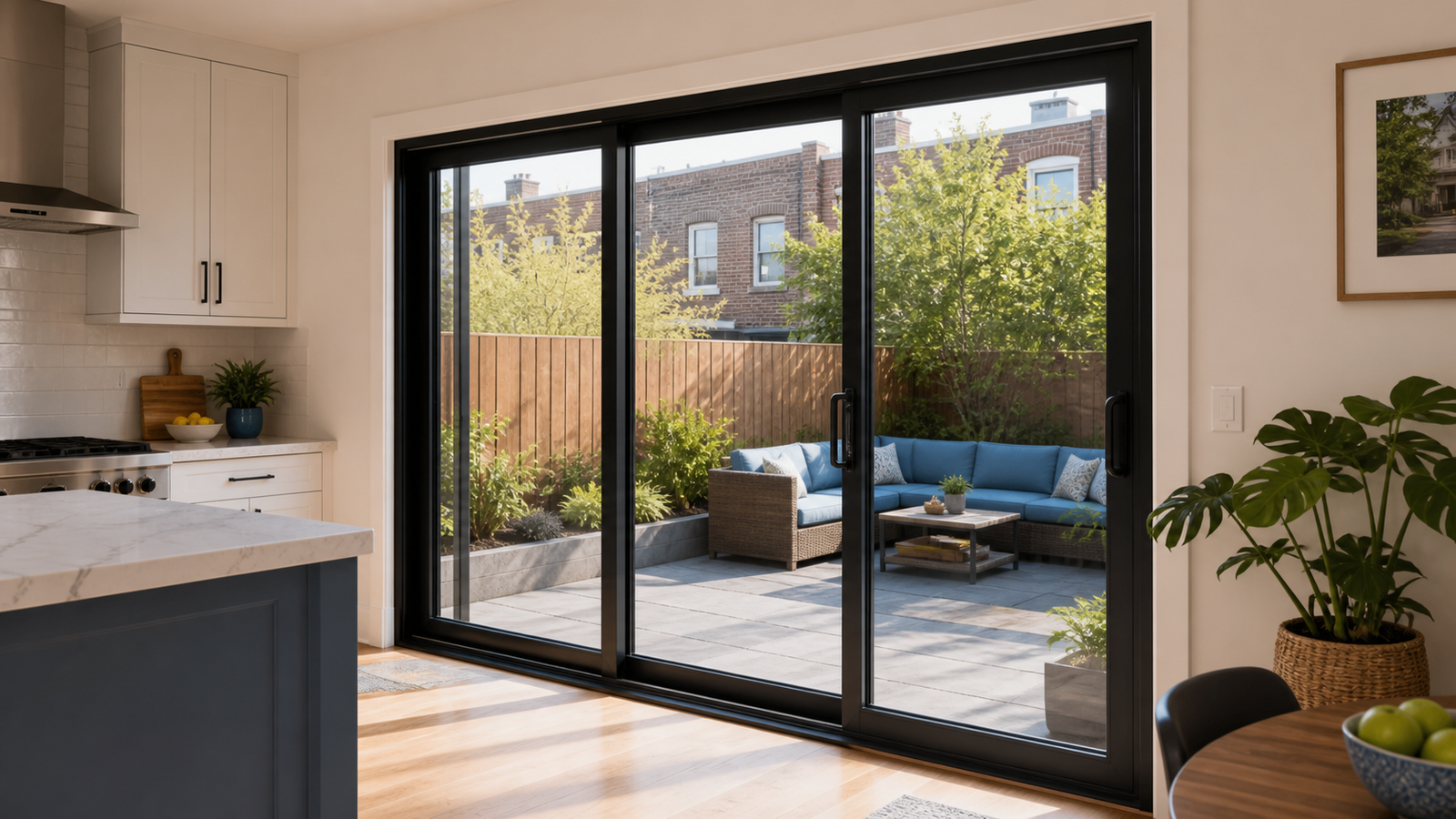
Traditional Queens brick
Raised panels, divided-lite glass, black or oil-rubbed hardware, and brickmold trim usually fit masonry homes without feeling out of place.
Modern renovation
Flush panels, narrow glass, matte black hardware, and simpler casing can modernize a row house or townhouse entry.
Historic sensitivity
Wood or wood-look fiberglass, traditional glass patterns, and compatible profiles can preserve character while improving performance.
More daylight
Sidelights, transoms, half-lite doors, French doors, and patio sliders brighten dark interiors but need privacy and heat-gain planning.
Privacy and security
Textured glass, narrow lites, reinforced strike plates, multipoint locking, and smart hardware can improve privacy without making the entry feel closed off.
Interior consistency
Solid-core doors, matching casing, aligned hardware, and consistent paint sheen make hallways and renovated rooms feel finished.
Make the door work for how people move through the building.
A beautiful door that rubs, slams, leaks, blocks furniture, feels unsafe, or creates a hard threshold is not a successful installation.
Entry doors
Balance curb appeal, insulation, privacy, lock security, mail or package routines, and weather exposure.
Patio and sliding doors
Prioritize glass performance, track quality, roller adjustment, drainage, screen function, and lock alignment.
French doors
Provide a wider opening and classic look but require strong astragal, flush bolts, weather seals, and clear swing space.
Storm doors
Add ventilation and weather protection, but they must not trap heat against certain dark or sun-exposed entry doors.
Interior doors
Solid-core doors improve sound and feel. Pocket, bifold, barn, and flush doors solve layout constraints when selected carefully.
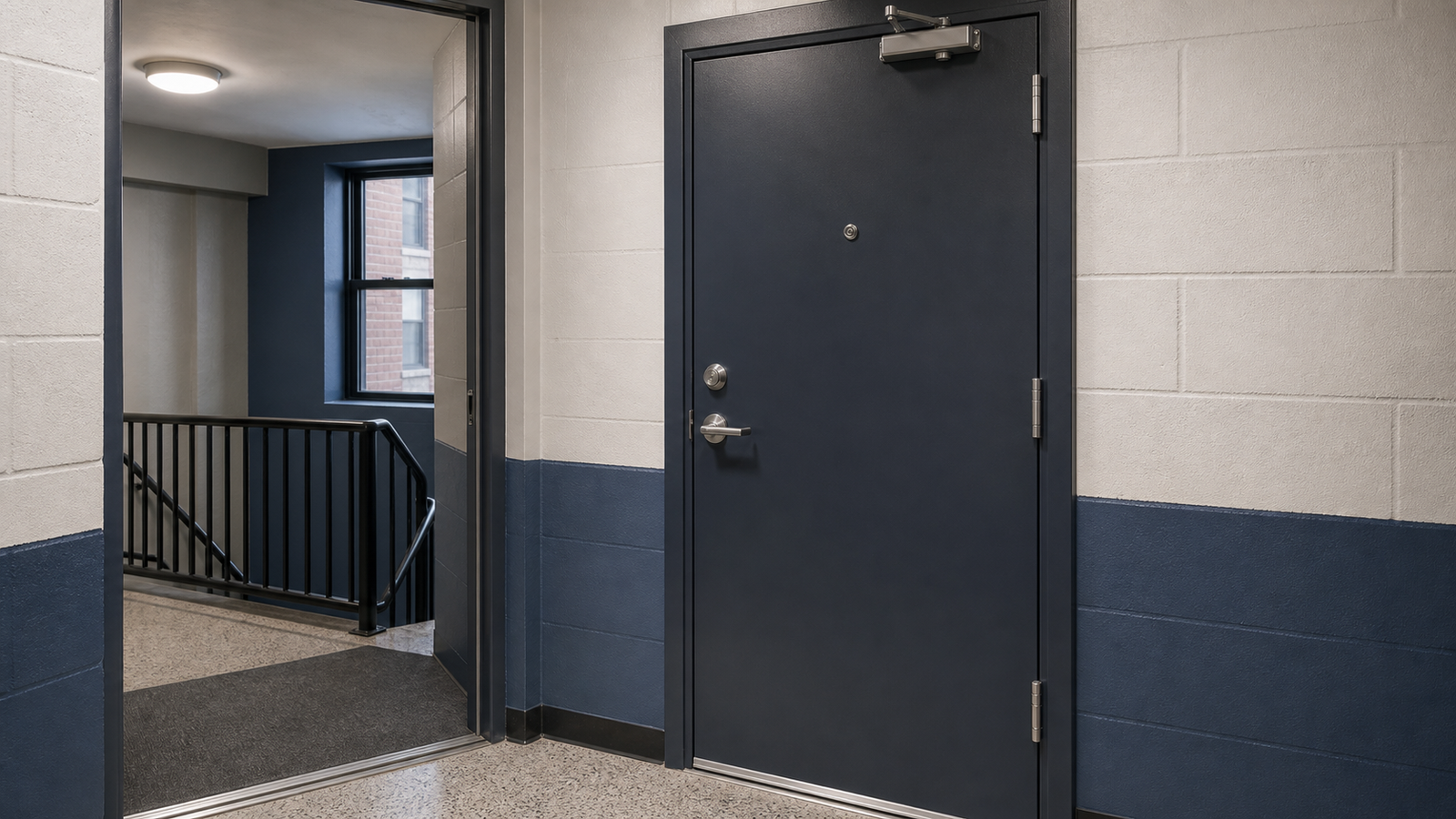
Fire-rated doors
Door rating, frame label, closer, latch, smoke gasket, undercut, and hardware must be kept as a tested assembly.
The best door is only as good as the opening it sits in.
Door installation is where product performance becomes real-world performance. BluRock plans the rough opening, sill, frame, sealants, hardware, and trim as one system.
Measure and diagnose
Check rough opening, existing jamb, swing, floor slope, masonry, header, water damage, and security needs.
Specify the assembly
Select slab material, frame, glass, threshold, weatherstrip, hardware prep, fire rating, and finish details.
Flash and set
Use sill protection, shims at hinge and lock points, square/plumb checks, appropriate fasteners, and low-expansion foam.
Adjust and finish
Set reveal, latch compression, sweep contact, closer speed, trim, sealant, paint, cleanup, and homeowner walkthrough.
Door replacement mistakes that show up later.
The problems homeowners feel months later usually begin with rushed measurement, weak sill protection, poor hardware prep, or treating a masonry opening like new wood framing.
Do
- Measure width, height, depth, diagonal square, floor slope, wall thickness, and swing clearance before ordering.
- Protect the sill with flashing or pan detailing where water exposure is possible.
- Shim behind hinges, lockset, strike, and multipoint hardware points so the frame stays stable.
- Use low-expansion foam and seal interior/exterior gaps without bowing the jamb.
- Confirm fire rating, closer, latch, and smoke seal requirements before replacing apartment or garage doors.
- Document NFRC values for code-submitted projects and keep labels/spec sheets in the project file.
Do not
- Order a door from nominal size alone, especially in older Queens masonry openings.
- Rely on caulk to solve a rotten sill, missing back dam, or out-of-square frame.
- Cut a fire-rated door or frame in a way that voids the rating or removes required labels.
- Ignore threshold height, accessibility, or trip risk at entries used every day.
- Install storm doors on sun-exposed dark doors without checking heat buildup limitations.
- Change an opening size, egress door, lintel, or rated corridor door without confirming approvals.
Door projects in Queens have local constraints that matter.
Queens door work ranges from one-family brick homes and attached row houses to co-ops, condos, mixed-use buildings, and multifamily corridors. The best quote starts with the building type.
How to compare brands without getting lost in the catalog.
Brand matters, but the exact series, glass, frame, hardware, and installation instructions matter more. These are practical comparison buckets BluRock uses during product selection.
Therma-Tru
Strong entry-door category, broad fiberglass looks, decorative glass, storm and patio ecosystem options, and specification support.
ProVia
Premium fiberglass and steel entry focus, extensive customization, strong fit-and-finish positioning, and many glass/style combinations.
Pella
Broad entry and patio door options, useful when doors need to coordinate with window packages and home design goals.
Andersen
Strong patio, gliding, French, and large opening door category with wood, composite, and clad options depending on the series.
Masonite
Wide builder-friendly availability across exterior and interior door types, useful for practical replacements and budget-sensitive work.
JELD-WEN
Broad residential door catalog with many interior, exterior, patio, and value-oriented choices. Series selection is important.
| Selection factor | Budget option | Mid-range option | Premium option |
|---|---|---|---|
| Front entry | Steel prehung door with basic glass or no glass. | Fiberglass entry with insulated core and upgraded hardware. | Custom fiberglass or wood-look system with sidelights, transom, multipoint lock, and decorative glass. |
| Patio access | Standard vinyl slider. | Better vinyl, composite, or fiberglass slider with improved rollers and lock. | Clad wood, premium composite, French door, or large-opening system. |
| Interior upgrade | Painted hollow-core slab and reuse existing jamb when square. | Solid-core prehung door with new casing and hardware. | Custom panel, glass, pocket, hidden, or millwork-integrated doors. |
| Apartment entry | Basic rated steel door where allowed. | Fire-rated door and frame with closer, latch, peephole, and smoke gasket. | Custom finish rated assembly coordinated with board requirements and corridor standards. |
Door questions homeowners ask before they start.
Every door project begins with the opening. Photos help, but accurate measurements and an on-site review make the estimate more reliable.
Should I replace just the slab or the whole prehung unit?
If the existing frame is square, undamaged, and compatible with the new slab and hardware, slab replacement can work. For drafty, rotten, out-of-square, or older exterior doors, a full prehung unit usually produces a better seal and cleaner finish.
What door material is best for energy efficiency?
Insulated fiberglass and insulated steel are common high-performance entry choices. The final performance depends on glass area, NFRC rating, frame, weatherstrip, threshold, and installation quality.
Do I need a permit for a door replacement in Queens?
Simple same-size replacement may be different from changing an opening, altering structure, changing egress, replacing a fire-rated assembly, or working in a regulated building. BluRock reviews the scope so permit and approval questions are identified early.
Can you install fire-rated apartment doors?
Yes, when the correct rated assembly, frame, hardware, closer, latch, smoke gasket, and building requirements are specified. Rated doors should not be field-cut or altered in a way that voids the label.
Why is my new door hard to close?
Common causes include an out-of-square frame, poor shimming, hinge sag, strike misalignment, threshold pressure, weatherstrip compression, or building movement. Adjustment should protect both latch function and air sealing.
What information helps with a door estimate?
Photos from inside and outside, rough opening size, door swing, wall thickness, building type, desired material, glass preference, hardware needs, fire rating concerns, and whether you want trim or paint included.
Plan a door upgrade that looks right, closes tight, and holds up.
Send BluRock Services your door photos, building type, measurements if you have them, and the style or performance goals you care about. We will help you sort material, code, energy, security, and installation details before the order is placed.