Discovery Call
A focused conversation to understand the project goal, property type, timing, rough budget, and whether the next step should be a walkthrough, drawing review, or quote request.


Design & Pre-Construction Consulting
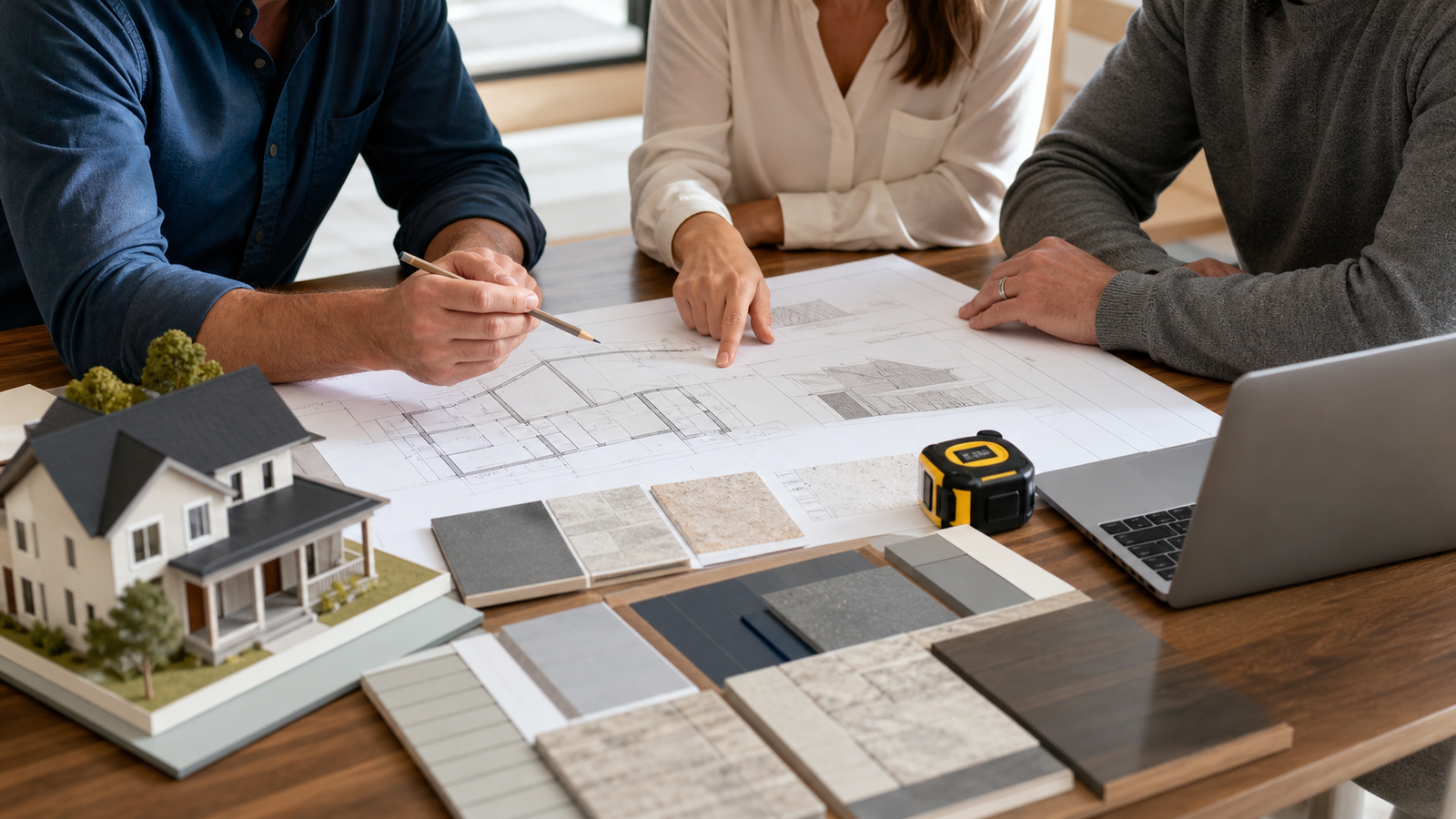
BluRock Services helps homeowners, property owners, and business owners turn early project ideas into a more buildable plan by reviewing scope, layout options, budget direction, drawings, permits, materials, and the decisions that need to be made before construction starts.
Service Summary
Primary service: construction design consulting for remodeling, renovation, new construction, commercial improvements, and pre-construction planning. The goal is to organize the project before money is spent in the wrong order.
Planning Before Pricing
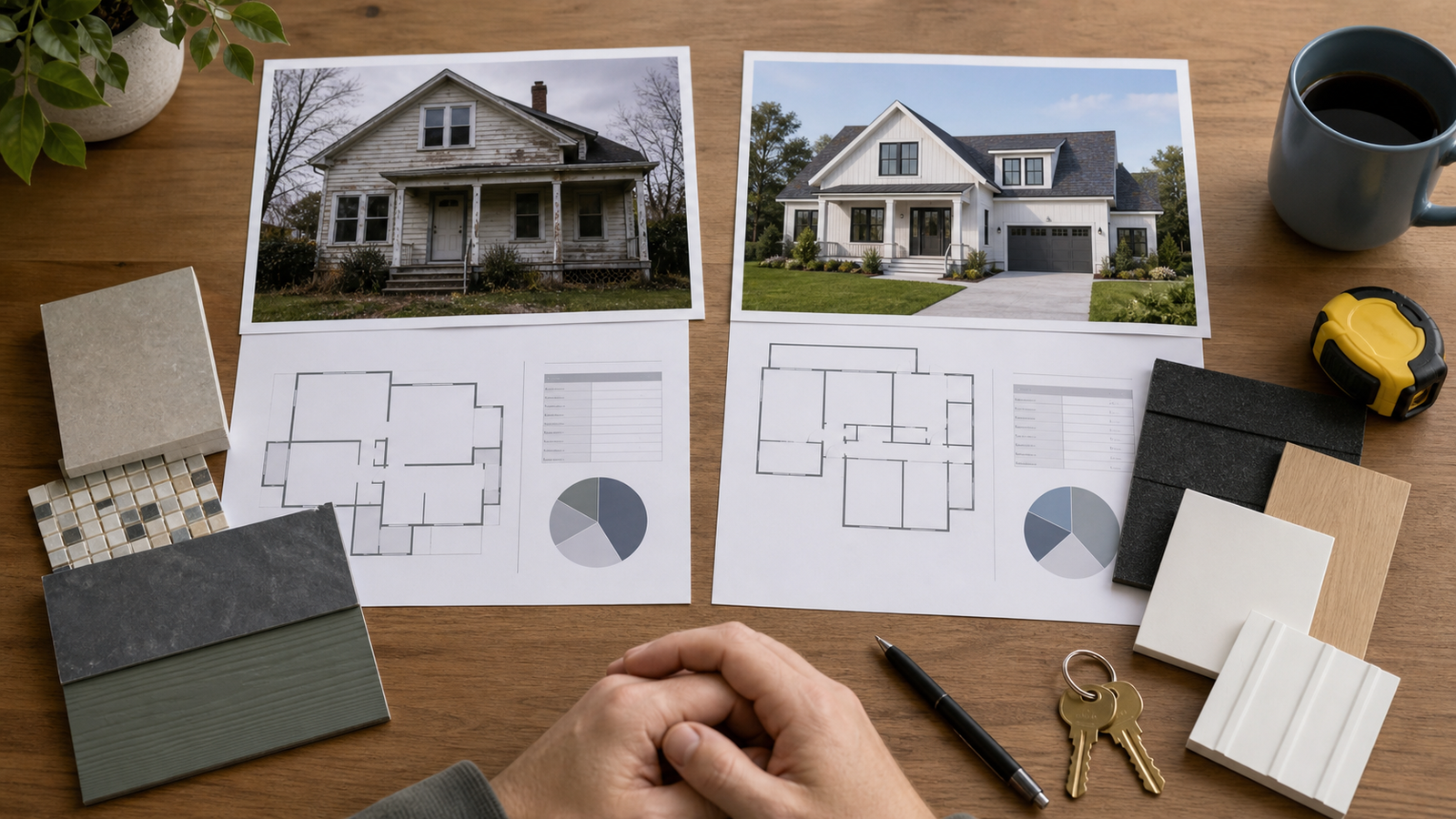
Design consulting is often the right first step when the project is more than a simple like-for-like repair. It helps define the scope, identify unknowns, compare options, and decide whether drawings, permit filings, engineering, or material selections should happen before a construction quote is finalized.
Consultation Types
Different projects need different kinds of advice. BluRock can keep the meeting focused on the decision you actually need to make next.
A focused conversation to understand the project goal, property type, timing, rough budget, and whether the next step should be a walkthrough, drawing review, or quote request.
A visit to review existing conditions, access, measurements, visible constraints, fixture locations, structure, utilities, protection needs, and practical construction sequencing.
A remote review of photos, drawings, inspiration, inspection notes, or early sketches when the project needs direction before an in-person meeting.
A practical review of layout options, likely trade involvement, permit questions, budget fit, schedule pressure, and the unknowns that should be solved first.
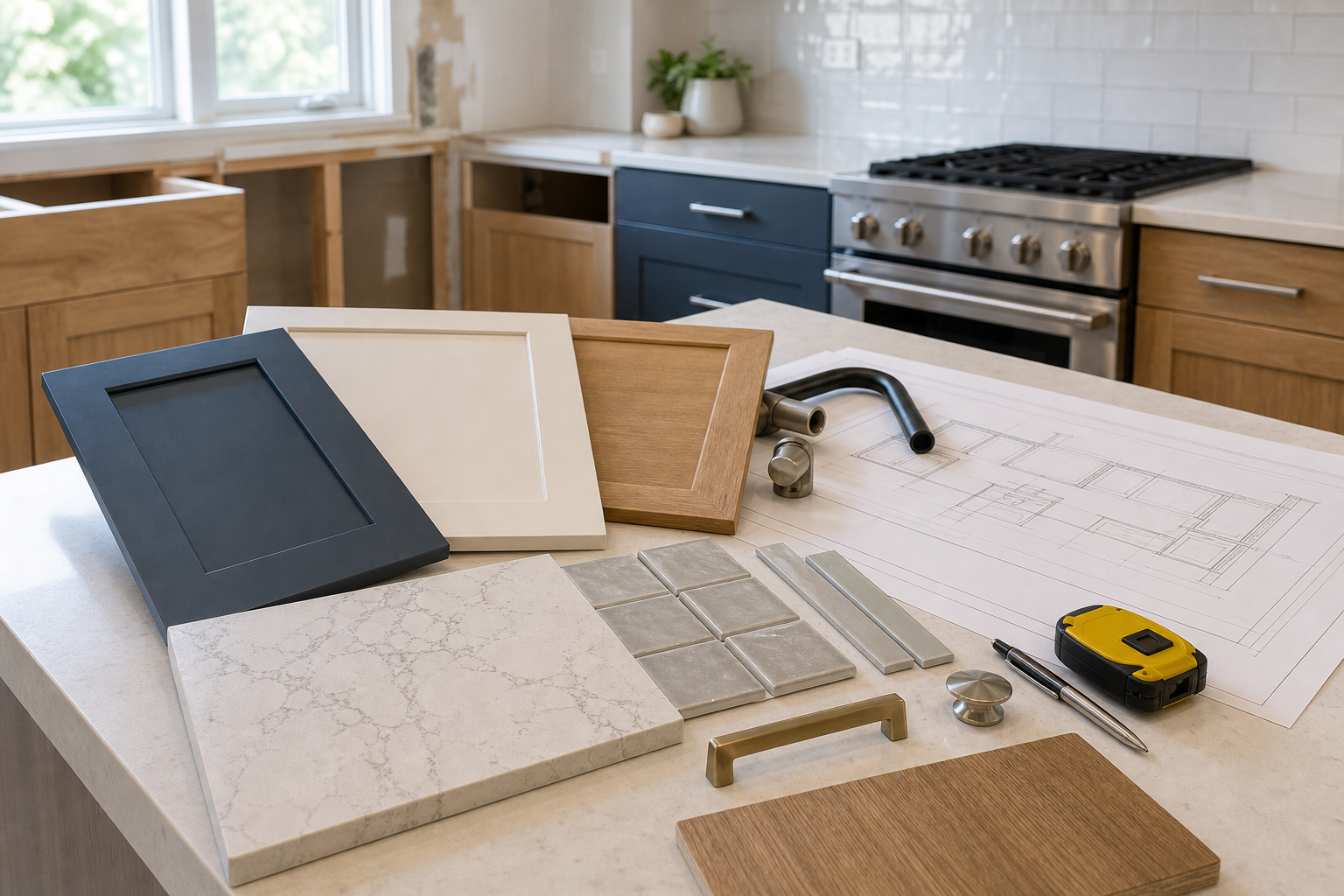
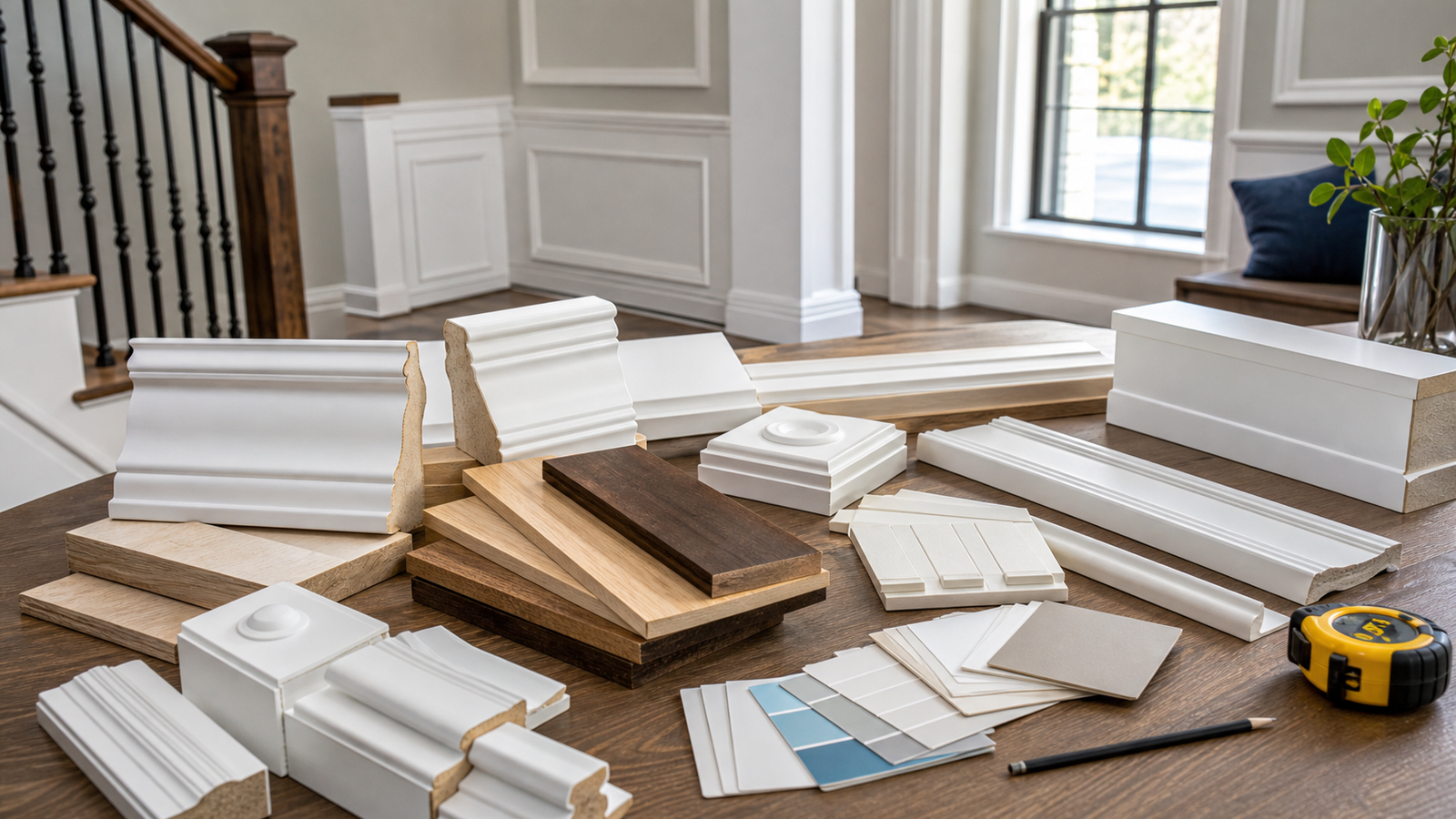
A planning session for cabinets, tile, counters, flooring, siding, trim, doors, windows, fixtures, hardware, and finish details that affect both cost and installation.
A coordination review to decide whether drafting, architecture, engineering, agency filings, or additional site information should be organized before construction starts.
Need-To-Know Topics
A good consultation turns a loose idea into a list of decisions, drawings, constraints, and next steps. These are the topics that commonly need to be sorted out before a project is properly planned.
| Project goals and priorities | What problem the project should solve, what must stay, what can change, which spaces matter most, and what success should look like when the work is complete. |
|---|---|
| Existing conditions | Measurements, photos, access points, visible structure, water issues, old finishes, previous work, utilities, and any signs that a deeper investigation may be needed. |
| Layout and function | Room flow, circulation, storage, appliance or equipment locations, accessibility, natural light, privacy, outdoor connections, and how the space will be used day to day. |
| Budget and value | Budget comfort range, allowance items, must-haves versus nice-to-haves, alternate material choices, phased work, and where value engineering may protect the main goal. |
| Drawings and documents | Sketches, measured drawings, permit drawings, engineered plans, finish schedules, specifications, bid scopes, and the level of detail needed for pricing or filing. |
| Permits and approvals | Potential building permits, agency filings, co-op or condo requirements, landlord approvals, historic or landmark constraints, and the documents needed before work can proceed. |
| Materials and finishes | Cabinets, tile, flooring, counters, trim, windows, doors, siding, roofing, fixtures, hardware, paint direction, long-lead items, and product choices that affect rough-in locations. |
| Construction logistics | Site access, staging, debris removal, dust control, protection, parking, building hours, occupant safety, pets, deliveries, inspections, and the order of work. |
| Schedule and phasing | Target start window, move-out needs, business interruption, seasonal constraints, inspection timing, material lead times, and whether the work should be completed in phases. |
| Decision ownership | Who approves layouts, finishes, budget changes, filings, change orders, and field adjustments so decisions do not stall once the project is underway. |
Client Prep
The more accurate the starting information is, the more useful the consultation becomes. You do not need a finished plan, but the right notes, photos, and priorities help BluRock identify the next practical step.
Permits, Codes & Safety
Permit and safety requirements depend on the property, location, and scope, so they should be discussed early rather than guessed at after the design is set. NYC owners can review DOB permit guidance through NYC Department of Buildings, work on landmarked properties may require NYC Landmarks Preservation Commission review, and renovation work in pre-1978 housing may require planning around the EPA Renovation, Repair and Painting Program.
From Advice To Action
A productive consultation should lead to an organized next step. Depending on the project, that may be a measured plan, concept direction, finish schedule, permit path, engineering coordination, or a construction estimate.
Confirm the goal, property type, timing, budget comfort range, and what decisions are already made.
Look at existing conditions, photos, measurements, drawings, approvals, and possible constraints.
Compare layout, material, scope, phasing, and budget paths before committing to one direction.
Identify the drawings, specifications, permit filings, or engineering input needed for the next phase.
Move into design development, estimating, filing coordination, or pre-construction scheduling.
Project Planning In Practice
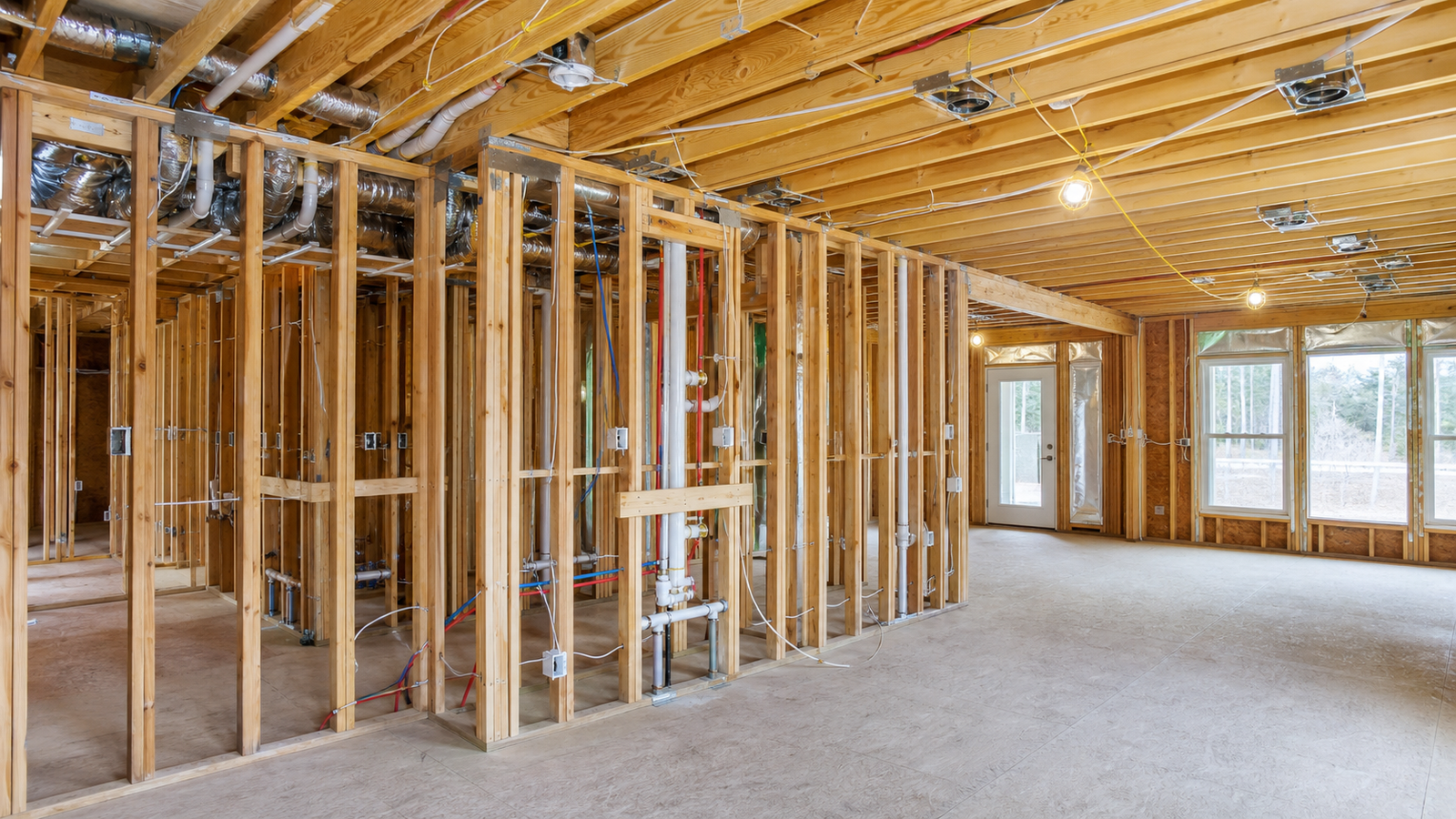
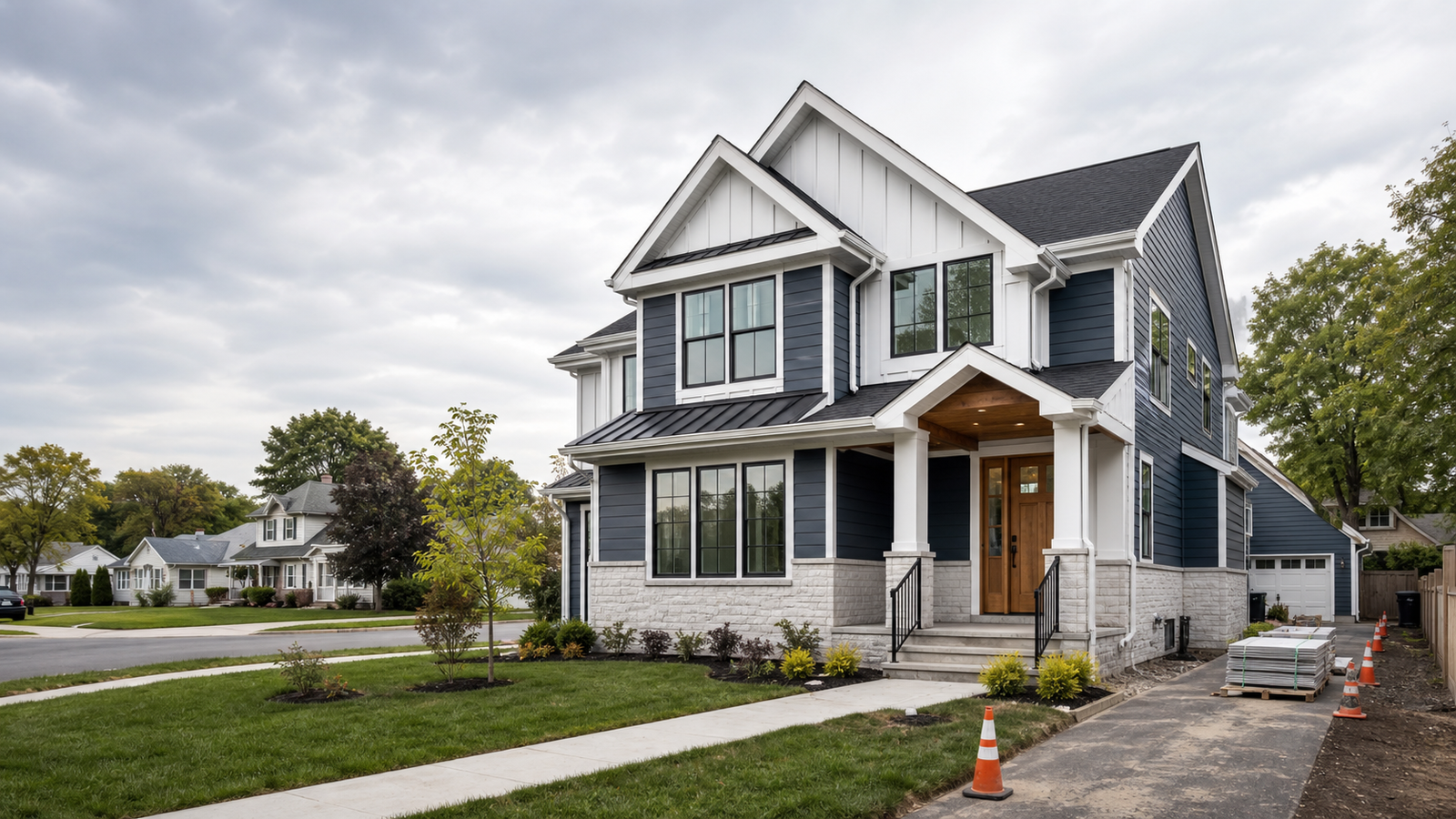
Good planning connects attractive design choices to the real construction details behind them: framing, rough-ins, finish transitions, material lead times, and final presentation.
BluRock Process
The process stays practical: understand the goal, identify risks, narrow decisions, and define the next deliverable. That keeps the conversation useful for real construction planning.
BluRock starts by understanding what the project needs to accomplish, who will use the space, and what constraints are already known.
The team reviews photos, measurements, existing conditions, visible risks, and missing information that may affect drawings or pricing.
You receive practical direction on next steps such as drawings, agency review, engineering, material choices, phasing, or estimate preparation.
FAQs
Not always, but it helps when the scope is unclear, the layout may change, or the project depends on drawings, permits, finish selections, or several trades. A consultation helps define what should be priced.
BluRock can support discovery calls, on-site walkthroughs, virtual plan reviews, feasibility meetings, finish selection sessions, permit-readiness reviews, value engineering meetings, bid scope reviews, and pre-construction planning.
Bring the project address, photos, measurements, existing plans if available, inspiration images, must-have priorities, budget comfort range, timing needs, and any co-op, HOA, lease, landmark, or building rules that may affect the work.
Yes. The consultation can identify whether the project may need permit review, drawings, engineering input, or filing support. Final requirements depend on the property, location, and scope.
No. Design consulting can help residential, commercial, mixed-use, multifamily, and property management projects when owners need scope clarity before drawings, bids, filings, or construction.
BluRock can outline next steps such as measurements, drawings, engineering coordination, material selection, permit support, a construction estimate, or a phased project plan.
Related BluRock Services
Design consultation often becomes more useful when it is connected to the right drafting, permit, engineering, residential, commercial, or construction service.
Start With Clarity
Tell BluRock Services what you are planning, what decisions feel unclear, and what you need help organizing. The next conversation can help turn the idea into a more useful scope, drawing path, permit path, or quote request.