

Home improvement budgets work best when every dollar has a job. For some homeowners, that job is resale value. For others, it is rental durability, buyer confidence, daily comfort, or avoiding bigger repairs later. The strongest projects usually do more than one of those things at the same time.
For homeowners, landlords, property managers, and real estate investors in Queens, Nassau County, Long Island, and the NYC boroughs, the smartest scope is rarely the flashiest one. It is the one that solves the right problem for the property, the buyer, and the timeline.
That is where a disciplined scope of work matters. Before choosing tile, cabinets, decking, windows, or layout changes, it helps to ask a better question:
What improvement will make this property easier to trust, easier to use, and easier to sell?
Start With Buyer Confidence Before Cosmetic Upgrades
The best resale-value projects often begin with the parts of the home buyers worry about most: water, structure, safety, age, and visible wear. A beautiful kitchen will not carry the same value if the roof looks tired, the front steps are cracked, the windows feel drafty, or the bathroom shows signs of poor waterproofing.
In practical terms, budget should usually move in this order:
- Correct active damage, leaks, drainage problems, failing surfaces, unsafe stairs, and visibly deteriorated exterior areas.
- Improve the rooms buyers use every day, especially kitchens and bathrooms.
- Upgrade curb appeal and outdoor living space where it supports the way the property will be marketed.
- Consider larger additions or layout changes only when they solve a real space problem.
This does not mean every home needs a full renovation before resale. It means the scope should protect the property story. Buyers in competitive markets notice clean finishes, but they also notice whether a home looks cared for.
Kitchen Renovations: Focus on Function, Storage, Light, and Surfaces
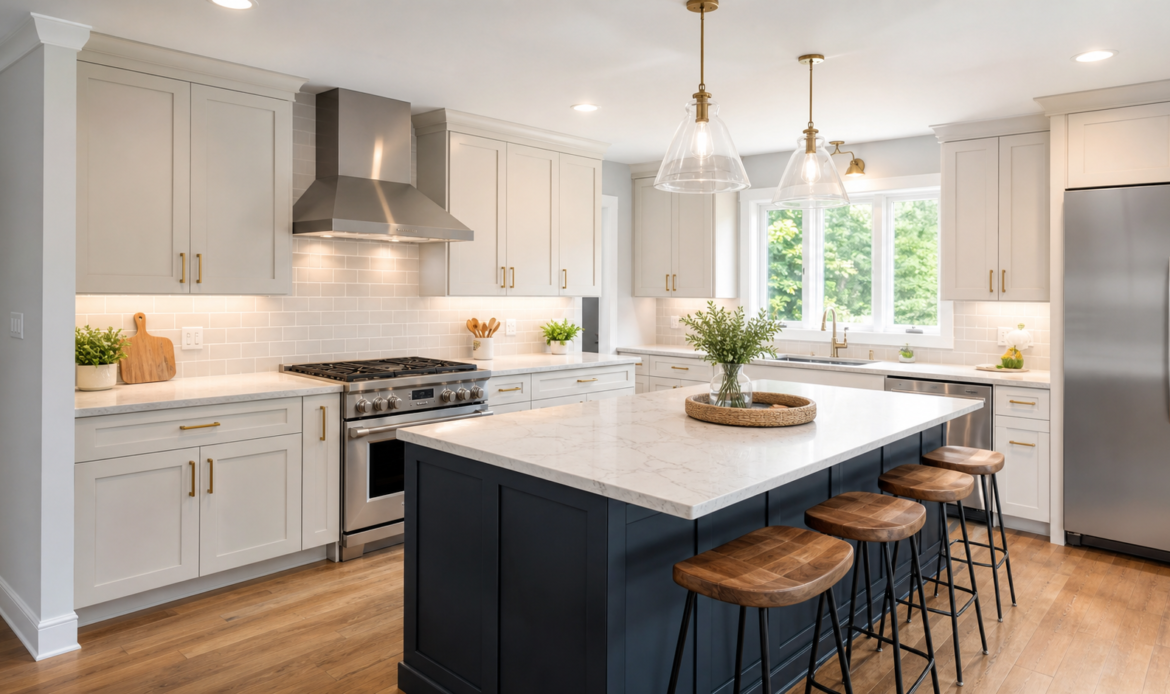
Kitchen projects can influence resale value because the kitchen affects daily life, listing photos, and buyer emotion. But the strongest kitchen scope is not always a full tear-out.
If the existing layout works, a targeted kitchen renovation may create a better budget outcome than moving every utility. Consider improvements such as:
- Durable countertops.
- Updated cabinetry or cabinet fronts.
- Better storage and pantry planning.
- A practical island or seating area where space allows.
- Improved lighting, including task and under-cabinet lighting.
- New backsplash, sink, faucet, and hardware.
- Flooring that connects cleanly with the rest of the home.
- Appliance planning that fits the scale of the property.
BluRock Services’ kitchen renovation work includes design and consultation, demolition, carpentry, cabinetry, countertops, plumbing, electrical, flooring, painting, and backsplash installation. That full-service structure is useful because kitchen value depends on how all the details work together, not just one finish.
For resale-focused work, avoid over-personalizing the kitchen. Strong materials, balanced color, durable surfaces, and clean lighting usually travel better across buyer preferences than highly specific luxury choices.
Planning a kitchen update? If your kitchen feels outdated but the budget needs discipline, talk through the project with BluRock Services before deciding whether the right scope is a refresh, a partial renovation, or a full remodel.
Bathroom Remodeling: Prioritize Waterproofing, Layout, Ventilation, and Bright Finishes
Bathrooms are small rooms with high buyer expectations. They need to feel clean, bright, functional, and well built. A buyer may forgive older bedroom paint, but a bathroom that looks damp, dark, or poorly finished can raise bigger concerns.
Strong bathroom scopes often include:
- Walk-in shower upgrades.
- Tub and shower updates.
- New tile and durable flooring.
- Improved ventilation and lighting.
- Vanities with better storage.
- Updated faucets, mirrors, hardware, and glass.
- Waterproofing and clean installation details behind the visible finish.
BluRock Services positions bathroom remodeling around layout, storage, lighting, flow, tile, stone, vanities, fixtures, glass, waterproofing, and complete remodels. For resale value, the key is to balance comfort with broad appeal.
If plumbing is already in a practical location, keeping the layout can help control the budget. If the layout is genuinely poor, such as a cramped shower, awkward vanity, or missing storage, a deeper renovation may be worth evaluating.
Exterior Work, Roofing, Windows, and Masonry Protect the Sale
Exterior improvements matter because they shape the first impression and reduce buyer hesitation. A home that looks solid from the street feels easier to trust.
Depending on the property condition, high-priority exterior scopes may include:
- Roofing repairs or replacement when the roof is near the end of its useful life.
- Window replacement where drafts, age, or visible wear hurt comfort and curb appeal.
- Door upgrades, trim repairs, and exterior painting.
- Concrete and masonry repair for steps, walkways, patios, retaining walls, foundations, and facade details.
- Drainage correction, waterproofing coordination, and repair of cracked or worn hardscape.
BluRock Services’ concrete and masonry work includes foundations, retaining walls, structural slabs, decorative concrete, brick and stonework, concrete repair, restoration, and custom masonry design. Those scopes can be especially important in older Queens and Nassau County properties where steps, walks, patios, and masonry details affect both appearance and safety.
Exterior work is not always glamorous, but it often supports the sale because it answers the buyer’s quiet question: “What will I have to fix after closing?”
Decks and Outdoor Living Can Expand the Way a Home Feels
Outdoor living space has become more important as buyers look for flexible space beyond the interior footprint. A well-planned deck, patio, or outdoor gathering area can make a property feel more usable without changing the entire structure.
The best deck scope depends on maintenance expectations, property style, and budget. BluRock Services offers wood, composite, and PVC decking options, and the site highlights brands such as Trex, TimberTech, AZEK, and Fiberon.
For resale planning, focus on:
- A safe structure with proper footings, framing, railings, and stairs.
- A deck size that fits the yard instead of overwhelming it.
- Durable materials that match the expected maintenance level.
- Lighting, access, and layout that make the space easy to imagine using.
- Permits and code requirements where applicable.
Wood can be attractive and cost-conscious, but it usually needs ongoing staining or sealing. Composite and PVC products can cost more upfront but may appeal to buyers who want lower maintenance.
Additions and Extensions Should Solve a Clear Space Problem
Additions and extensions can add meaningful value when they correct a true limitation: not enough bedrooms, a missing bathroom, a cramped kitchen, no home office, or a layout that no longer fits modern life.
BluRock Services’ addition and extension work includes room additions, second-story additions, kitchen and dining extensions, garages, sunrooms, enclosed porches, in-law suites, guest rooms, and custom extensions.
For resale value, additions deserve extra planning because they carry higher cost, longer timelines, design coordination, and permit considerations. A strong addition should feel like it belongs to the house. It should improve flow, not just add square footage.
Good questions before approving an addition scope:
- Does this solve a problem that most buyers would recognize?
- Will the new space match the existing home style?
- Does the budget leave room for exterior, mechanical, and finish details?
- Are there zoning, lot coverage, structural, or permit constraints?
- Would a smaller layout change solve the issue more efficiently?
For a seller moving soon, an addition may be too large a scope unless the home has a clear marketability problem. For an owner staying several years, it may create value through both daily use and future resale.
Match the Scope to Your Resale Timeline
The right project changes depending on when you plan to sell.
Selling Within 12 Months
Focus on visible repair, buyer confidence, and market readiness:
- Fix leaks, damaged surfaces, loose railings, cracks, and worn exterior areas.
- Refresh paint, lighting, hardware, and small finish details.
- Improve bathroom cleanliness and function.
- Update kitchen surfaces where the existing layout is acceptable.
- Repair or refresh entry areas, steps, windows, doors, and curb appeal.
Avoid highly custom selections and major layout changes unless they are necessary to solve a deal-breaking issue.
Selling in One to Three Years
You have more room for strategic remodeling:
- Target kitchen and bathroom improvements that you can still enjoy.
- Consider windows, exterior work, roofing, decks, patios, or masonry if condition calls for it.
- Invest in durable materials that will still look good at sale time.
- Plan work in phases so one project does not create preventable damage to another.
Staying Three to Seven Years or Longer
Longer ownership gives lifestyle more weight:
- Full kitchen and bathroom remodels can make sense when they improve daily use.
- Additions and extensions become more reasonable when the space problem is real.
- Decks, outdoor living, and basement or flex-space improvements can support both enjoyment and marketability.
- Higher-end finishes can be justified when they fit the home and the neighborhood.
Resale still matters, but the value of living better in the home also belongs in the decision.
How to Build a Budget-Smart Scope of Work
A strong scope protects the budget before construction starts. It should define what is included, what is excluded, what is unknown, and what decisions need to be made before materials are ordered.
1. Walk the Property Before Choosing Finishes
Look for roof wear, window condition, masonry cracks, moisture signs, electrical needs, plumbing age, flooring transitions, exterior drainage, and layout constraints. A good finish plan starts with the real condition of the home.
2. Separate Must-Fix, Should-Fix, and Nice-to-Have Items
Must-fix items protect safety, water management, structure, and buyer confidence. Should-fix items improve function and marketability. Nice-to-have items add personality or comfort but may not carry the same resale weight.
3. Price Scopes in Levels
Instead of asking for one broad number, compare options:
- Refresh: paint, hardware, fixtures, lighting, minor repairs.
- Midrange renovation: surfaces, finishes, targeted replacements, limited layout change.
- Full remodel: demolition, layout changes, utilities, structural coordination, premium finishes.
This makes it easier to choose the scope that fits the resale timeline.
4. Protect the Contingency
Older homes in Queens, Nassau County, and NYC can reveal surprises once work begins. Keep contingency in the plan for hidden damage, uneven framing, plumbing or electrical discoveries, water issues, and material changes.
5. Choose Durable, Buyer-Friendly Materials
Durability matters for resale, rentals, and investor-owned properties. Neutral does not have to mean plain. It means the design should feel polished without narrowing the buyer pool.
Improvements to Be Careful With
Some projects can be worthwhile for lifestyle but weaker for resale if the goal is a near-term sale.
Be careful with:
- Highly custom luxury finishes that only fit one owner’s taste.
- Major kitchen or bathroom layout changes when the existing layout works.
- Oversized additions that do not match the home or neighborhood.
- Cosmetic work that ignores water, roofing, masonry, or safety issues.
- Ultra-low-cost materials that may look tired by the time the home is listed.
- Partial fixes that make buyers wonder what else was skipped.
The goal is not to spend as little as possible. It is to spend where the property will look, feel, and perform better.
Local Considerations for Queens, Nassau County, and NYC Homes
Local conditions matter. A home improvement scope in Queens or Nassau County should account for older building stock, tighter lots, parking and access, permit requirements, weather exposure, drainage, and neighborhood buyer expectations.
For example:
- Masonry, concrete, steps, and walkways need to hold up through freeze-thaw cycles and heavy use.
- Decks and additions may require careful planning around setbacks, lot coverage, and access.
- Kitchen and bathroom work in older homes may reveal plumbing, electrical, framing, or ventilation needs.
- Exterior and roofing scopes should be coordinated before interior finish work where possible.
- Property managers and investors should prioritize durable materials, clean turnover, and easy maintenance.
A local contractor can help translate a resale goal into a practical sequence of work.
Work With BluRock Services Before You Commit the Budget
BluRock Services is a Queens-based general contracting company serving residential and commercial construction needs across Queens, Long Island, Nassau County, and the NYC boroughs. The company provides services across kitchens, bathrooms, decks, additions and extensions, windows, concrete and masonry, roofing, and related construction work.
If you are improving a home for resale, rental value, long-term ownership, or investment, start with the scope. BluRock Services can help you evaluate which work belongs first, which finishes fit the property, and which budget choices support the strongest outcome.
Schedule a consultation, request a quote, or talk through your project with BluRock Services.
Call (516) 368-4533 or visit https://blurockservices.com/contact-us/
FAQ
What home improvements add the most resale value?
There is no single best project for every home. In general, projects that improve buyer confidence, curb appeal, kitchens, bathrooms, exterior condition, and daily function tend to carry stronger resale value than highly customized upgrades. The right choice depends on property condition, timeline, neighborhood, and budget.
Is a kitchen remodel worth it before selling?
Often, yes, but the scope matters. If the layout works, a targeted kitchen refresh may be smarter than a full upscale remodel. Focus on clean surfaces, storage, lighting, durable countertops, functional cabinetry, and broad buyer appeal.
Should I remodel a bathroom before resale?
A bathroom that feels clean, bright, and well built can support buyer confidence. Prioritize waterproofing, ventilation, lighting, tile quality, storage, fixtures, and layout. Avoid moving plumbing unless the layout problem is significant.
Should I replace the roof before selling?
If the roof is visibly worn, leaking, or near the end of its useful life, it can become a buyer concern during inspection or negotiation. Have the condition evaluated before deciding whether repair, replacement, or disclosure is the best path.
Are decks good for resale value?
Decks and outdoor living areas can improve how a home feels and photographs, especially when they are safe, well designed, and proportionate to the yard. Material selection matters. Wood may cost less upfront, while composite and PVC may appeal to buyers who want lower maintenance.
Are additions worth it for resale?
Additions can add value when they solve a clear space problem, such as a missing bedroom, bathroom, office, or expanded kitchen. They require careful budgeting, design, permits, and timeline planning. For near-term sellers, smaller targeted improvements may be more practical.