

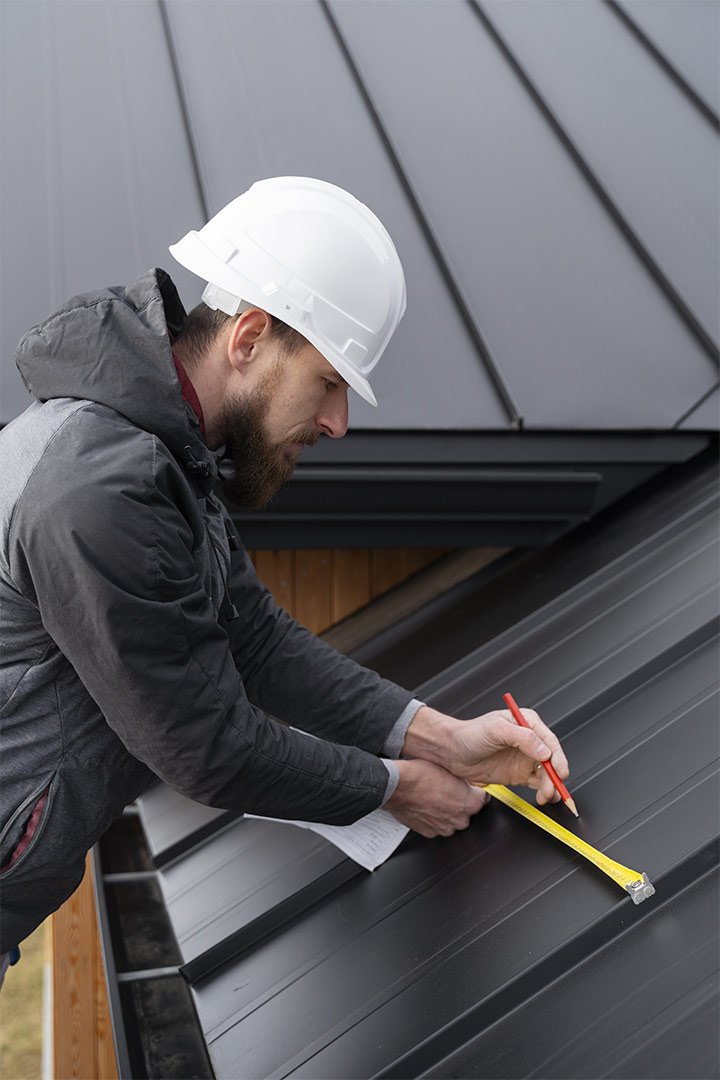
Jobsite heat safety matters every summer, especially when construction work moves outdoors or into hot spaces. In Queens, Nassau County, Long Island, and the NYC boroughs, roofs, decks, masonry, exterior repairs, additions, and commercial property projects often move forward when the weather is dry and access is easier.
But heat changes the jobsite. High temperatures, humidity, direct sun, limited air movement, physical exertion, and protective clothing can turn a normal workday into a serious safety concern.
Heat stress is not just discomfort. According to NIOSH, occupational heat stress can lead to heat-related illness and physical injuries, including dizziness, fatigue, slipping, burns from hot equipment, and reduced ability to work safely.
For property owners, managers, and contractors, the goal is simple: plan the work so people can do it safely, recognize warning signs early, and respond quickly when someone is not feeling right.
Why Heat Is Dangerous on Construction and Exterior Worksites
Heat risk increases when the body cannot cool itself fast enough. A worker may be climbing, lifting, carrying, cutting, roofing, repairing masonry, or moving materials while exposed to direct sun or reflected heat from pavement, roofs, walls, and equipment.
OSHA identifies job-related risk factors such as outdoor work in warm weather, strenuous physical activity, heat sources, and heavy or non-breathable work clothes. NIOSH also lists high humidity, low air movement, dehydration, lack of acclimatization, personal protective equipment, certain medications, health conditions, and previous heat illness as risk factors.
That matters on real projects because heat can sneak up quickly. A worker may start the morning feeling fine, then become lightheaded, irritable, nauseated, cramped, or confused as conditions worsen. The safest approach is to treat unusual symptoms seriously instead of waiting to see if they pass.
The Warning Signs You Should Never Ignore
Heat illness can look different from person to person. OSHA notes that symptoms can be non-specific, meaning any unusual symptom during physical work in a warm environment may be a sign of overheating.
Early warning signs
Heavy sweating, thirst, fatigue, dizziness, headache, nausea, cramps, irritability, fainting, fast heart rate, or elevated body temperature.
Serious danger signs
Confusion, slurred speech, unconsciousness, seizures, very high body temperature, heavy sweating, hot dry skin, or rapid heart rate.
When to act
Stop work, move the person to a cooler area, start cooling, stay with them, and call 911 for serious symptoms or when there is any doubt.
Do not wait on confusion, slurred speech, or unconsciousness. OSHA identifies these as signs of heat stroke. Call 911 immediately and cool the worker with ice or cold water until help arrives.
Water, Rest, and Shade Are the Foundation
OSHA’s heat guidance uses a practical framework: water, rest, and shade.
Water
Cool drinking water should be easy to reach, familiar to the crew, and available throughout the workday. Workers should drink regularly while working in heat, not only when they feel thirsty.
Rest
Breaks are not wasted time in hot conditions. They are part of the safety plan. As heat stress rises, rest breaks should become longer or more frequent.
Shade and cooling
Workers need a cooler place to recover, whether that means shade, a tent, an air-conditioned vehicle, fans, misting, or a cooled interior area.
Acclimatization: The First Days Matter
New workers, temporary workers, and workers returning after time away are at higher risk because their bodies may not be adjusted to hot conditions. NIOSH recommends gradually increasing time in hot conditions over 7 to 14 days. OSHA also recommends planning for how new workers will develop heat tolerance and how returning workers will be supervised.
This is especially important during heat waves or the first very hot stretch of the season. A person who was comfortable doing the same work in mild weather may need a different pace, different breaks, or closer monitoring during summer heat.
Planning Safer Summer Work Before the Crew Arrives
Good heat safety starts before the first ladder is set or the first load of material is moved.
- Will the work happen in direct sun or on heat-retaining surfaces?
- Can the heaviest work be scheduled earlier in the day?
- Is there a shaded or cooled recovery area?
- Is cool water close to the work zone?
- Who is responsible for monitoring heat conditions and worker symptoms?
- How will emergency help be called if someone becomes ill?
- Are there project phases that can be shifted during an extreme heat advisory?
For contractors and supervisors, OSHA recommends a written heat illness prevention plan that covers oversight, acclimatization, first aid, engineering controls, work practices, weather advisories, training, and emergency response. Even on smaller projects, the mindset is useful: someone needs to be watching the conditions and adjusting the plan as the day changes.
Heat Safety for Common Summer Construction Projects
Roofing and exterior repairs
Roofing and exterior repair work can be especially demanding because workers may be exposed to direct sun, reflected heat, and physical exertion. Summer roof checks and repairs should be planned with hydration, breaks, access, and weather timing in mind.
If you are planning roof-related work, review BluRock Services’ roofing services.
Decking, masonry, and concrete
Deck, masonry, and concrete projects often happen outdoors and can involve lifting, demolition, prep, installation, and finish work. These projects benefit from realistic scheduling and clear site access so crews can work efficiently without unnecessary heat exposure.
Learn more about BluRock’s decking services and concrete and masonry services.
Additions, extensions, and larger property projects
Larger projects may involve multiple trades, staging, material deliveries, inspections, and changing conditions across the day. Heat safety should be part of project planning, not an afterthought.
BluRock Services works with residential and commercial clients on coordinated construction planning, including additions and extensions, exterior work, remodeling, and property improvements.
Planning summer construction work in Queens, Nassau County, Long Island, or NYC? Talk through the project with BluRock Services before work begins, especially if the scope includes roofing, decking, masonry, exterior repairs, additions, or commercial property coordination.
What to Do If Someone Shows Heat Illness Symptoms
Do not leave the person alone. Move them to a cooler area, stop work, begin cooling, and get help. OSHA recommends cooling the worker immediately with active cooling techniques such as cold water, ice, cold wet towels, removing outer layers of heavy clothing, and using fans when available.
Call 911 immediately for serious symptoms such as confusion, slurred speech, unconsciousness, seizures, or signs of heat stroke. When in doubt, call. Heat-related illness can worsen quickly.
This article is general guidance, not a substitute for site-specific safety planning, medical advice, or OSHA compliance support. Employers and property managers should consult qualified safety and health professionals when heat stress is a workplace hazard.
A Practical Summer Heat Safety Checklist
- Check the day’s forecast, humidity, heat index, and advisories.
- Plan heavier tasks for cooler parts of the day when possible.
- Keep cool drinking water close to the work area.
- Build rest breaks into the schedule.
- Provide shade or a cooled recovery area.
- Watch new, temporary, and returning workers closely.
- Train workers and supervisors to recognize heat illness symptoms.
- Use a buddy system so workers look out for each other.
- Adjust the plan when conditions change.
- Know who will call emergency services and how they will give the site address.
Plan Summer Projects With Safety in Mind
Summer can be a strong season for exterior repairs, roofing, decking, masonry, additions, and commercial property improvements. It can also be unforgiving when heat is ignored.
BluRock Services helps homeowners, landlords, property managers, investors, and commercial clients across Queens, Nassau County, Long Island, and the NYC boroughs plan construction work with practical sequencing, site conditions, and project coordination in mind.
FAQs About Summer Jobsite Heat Safety
What are the biggest heat risks during summer construction work?
The biggest risks include heat exhaustion, heat stroke, dehydration, cramps, dizziness, fainting, reduced focus, slipping, burns from hot equipment, and unsafe removal of protective equipment because a worker feels overheated.
How can property owners support safer summer construction work?
Property owners can help by keeping access clear, identifying available shade or cooled areas, being realistic about schedule changes during extreme heat, and choosing a contractor who takes site conditions seriously.
When should someone call 911 for heat illness?
Call 911 immediately for serious symptoms such as confusion, slurred speech, unconsciousness, seizures, or suspected heat stroke. OSHA also advises calling 911 when in doubt.
Is drinking water enough to prevent heat illness?
Water is essential, but it is not the whole plan. Safer work in heat also depends on rest breaks, shade or cooling, acclimatization, monitoring symptoms, work scheduling, and emergency readiness.
Does heat safety matter for indoor work too?
Yes. NIOSH notes that both outdoor and indoor workers can be exposed to occupational heat stress. Indoor risks may include radiant heat sources, poor air movement, high humidity, heavy work, and PPE or clothing that traps heat.
Sources used: OSHA heat exposure guidance, OSHA heat illness first aid, OSHA water/rest/shade guidance, and NIOSH/CDC heat stress recommendations. This article provides general safety information and does not replace site-specific safety planning, medical advice, or qualified compliance support.