

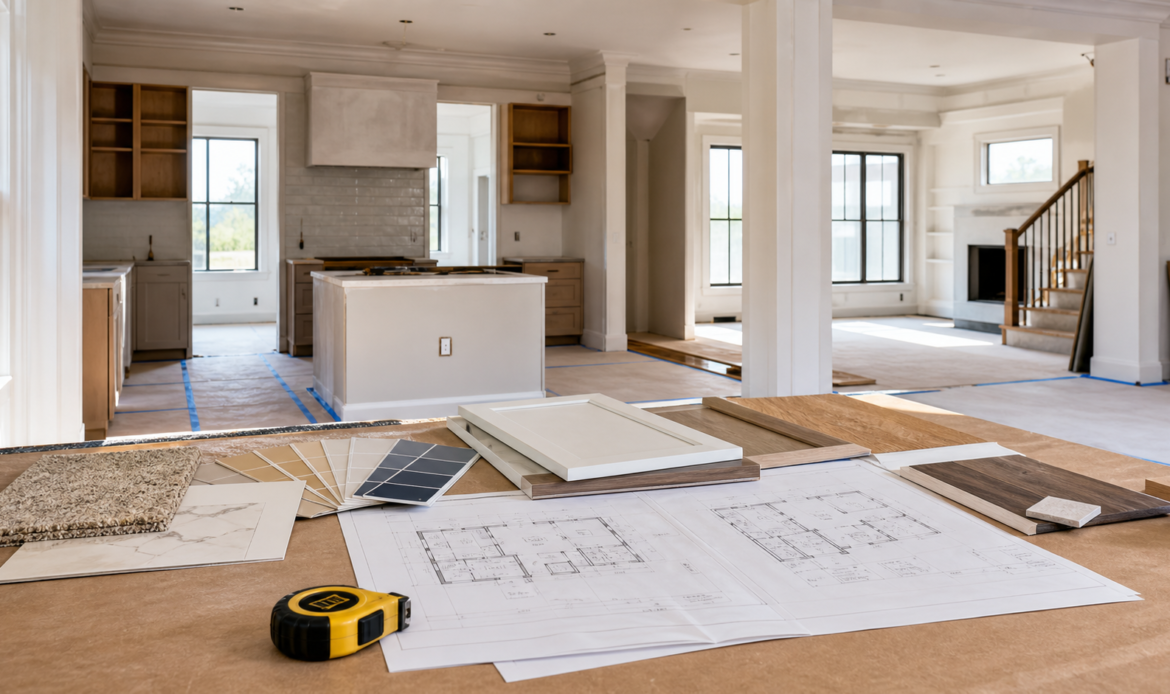
A home remodel in Queens can start with one room, but it rarely stays isolated. A kitchen update can affect flooring, electrical, plumbing, paint, trim, and daily access. A bathroom remodel can raise ventilation, waterproofing, tile, and building rules. An addition can change the entire order of work.
The smartest way to begin is to describe the scope before chasing finishes. This guide helps homeowners organize residential remodeling, kitchens, bathrooms, additions, and contractor questions before requesting a quote from a home renovation contractor in Queens.
Start with the outcome, not the room list
A room list tells a contractor where work may happen. An outcome explains why it matters. Before calling a contractor, write down what the remodel should solve: better storage, a more open kitchen, safer stairs, a more usable bathroom, added living space, improved finishes, or a layout that fits daily routines.
That outcome helps separate critical scope from nice-to-have ideas. It also gives the contractor a way to suggest sequencing that protects the parts of the home you want to keep.
Build the scope by zones and trades
Whole-home renovation Queens projects should be organized by both space and trade. A kitchen, bathroom, basement, entry, roof, exterior, and addition may involve different crews, inspections, material lead times, and access needs.
A practical scope lists the rooms, existing conditions, proposed changes, product responsibilities, building rules, and work that must stay operational while the project is underway.
Scope notes to organize before a quote
- Rooms and exterior areas included in the remodel
- Walls, openings, fixtures, cabinetry, flooring, trim, roofing, or exterior work to change
- Plumbing, electrical, HVAC, ventilation, waterproofing, or structural questions to review
- Selections already made and selections still open
- Occupied-home, parking, elevator, delivery, dust-control, and debris considerations
Sequence the project before comparing quotes
Sequencing is the difference between a remodel that feels organized and one that keeps forcing rework. A typical plan may move from site review and scope definition to drawings or filings when needed, then selections and ordering, protection, demolition, rough work, inspections, insulation or enclosure, finishes, fixtures, cleanup, and punch-list review.
The exact sequence depends on the home, building type, scope, approvals, and materials. Ask each contractor what information is needed before a schedule can be planned responsibly. A careful contractor should be comfortable explaining which steps are fixed, which depend on inspection or approvals, and which items can be adjusted after the project starts.
- Scope review and site visit: Confirm rooms, existing conditions, access, building rules, and project priorities.
- Planning and selections: Resolve drawings, filings when needed, fixtures, finishes, cabinetry, tile, and long-lead items.
- Protection and demolition: Protect occupied areas, isolate dust where practical, remove materials, and confirm hidden conditions.
- Rough work and inspections: Coordinate framing, plumbing, electrical, HVAC, ventilation, waterproofing, and required checks.
- Finishes and closeout: Install surfaces, trim, fixtures, paint, hardware, cleanup, and punch-list items.
Coordinate kitchens, bathrooms, and additions early
A kitchen remodel can affect layout, cabinets, appliance clearances, lighting, flooring, and adjacent rooms. A bathroom remodel can involve waterproofing, ventilation, tile, fixtures, and access to plumbing or electrical systems.
If the project includes additions or extensions, the sequence may need to account for envelope work, exterior access, weather protection, new openings, and coordination between new and existing spaces. Bringing these conversations together early helps avoid a kitchen, bath, or addition decision that later conflicts with the broader residential remodel.
Plan around Queens property conditions
Queens remodeling projects can involve detached homes, attached homes, multifamily properties, co-ops, condos, rentals, and managed buildings. Each property type can shape access, work hours, deliveries, disposal, protection, and approvals.
Bring building rules, alteration agreements, prior drawings, survey information, or previous permit records to the conversation when available. If you do not have them, ask what documentation would help before the estimate is finalized.
Use contractor questions to compare proposals
Good contractor questions make proposals easier to compare. Ask what is included, what is excluded, which assumptions are being used, who purchases materials, how concealed conditions are handled, how changes are documented, and who coordinates sequencing across trades.
- What rooms, trades, and finish categories are included in this proposal?
- What is excluded or listed as an allowance?
- Which selections need to be made before work starts?
- How will occupied areas, floors, stairs, elevators, and neighboring spaces be protected?
- What happens if hidden plumbing, framing, electrical, or moisture conditions are discovered?
- Who coordinates kitchen, bathroom, addition, and residential remodeling trades?
- How are change orders documented before extra work proceeds?
- What information do you need before giving a firmer schedule?
Watch for vague proposal language
A low-detail proposal can make home remodeling in Queens, NY harder to manage later. Be cautious when a quote does not clearly identify the rooms included, the finish level assumed, who provides materials, what happens with hidden conditions, or how inspections and building rules will be handled.
The goal is not to make every decision before the first meeting. The goal is to compare contractors on the same scope, the same assumptions, and the same practical constraints.
When your scope is ready, contact BluRock Services to talk through the project, the rooms involved, and the next information needed for a quote conversation.
Related BluRock planning links
Frequently asked questions
What should I plan before requesting a home remodeling quote?
Prepare the rooms involved, goals, photos, known building rules, desired layout changes, selections already made, open decisions, and questions about sequencing or access.
How should a whole-home renovation be sequenced?
The sequence depends on scope, approvals, materials, and existing conditions. Ask how design, demolition, rough work, inspections, finishes, fixture installation, cleanup, and punch-list items will be coordinated.
Should I remodel one room at a time or combine rooms?
It depends on budget, disruption, trade overlap, and how much work connects between rooms. Combining related work can reduce some rework, but it also increases planning and access needs.
What questions should I ask a home renovation contractor in Queens?
Ask about scope inclusions, exclusions, assumptions, trade coordination, building rules, material responsibilities, access protection, change procedures, and how newly discovered conditions are documented.
Can BluRock help with kitchens, bathrooms, and additions together?
BluRock Services lists residential remodeling services that include kitchens, bathrooms, additions, and related home improvement work. The right approach depends on the home and project scope.